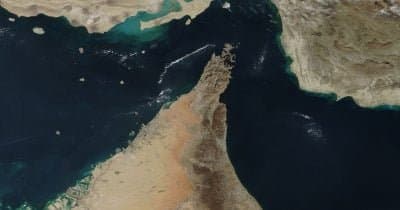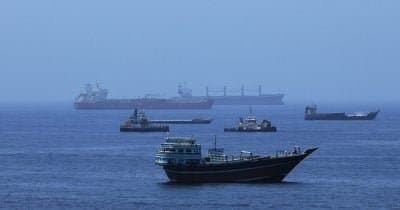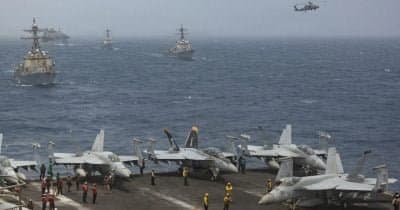
Recent announcements from President Trump underline the strategic significance of the Strait of Hormuz, a key transit route for global oil shipments. Trump’s focus on military operations targeting Iran aims to ensure uninterrupted access through this vital passage. The backdrop is a considerable increase in military activities dubbed Operation Epic Fury that has escalated tensions in the region.
This military emphasis comes at a time when market analysts are reacting to the heightened risks associated with potential disruptions. As of now, expectations for normal traffic flow in the Strait by the end of August have significantly dropped. Market pricing reflects this uncertainty, with the chance of uninterrupted navigation plummeting from 18% to just 11.5% recently.
The implications of these military actions extend beyond mere navigation. They signal a climate of instability that could ripple through global energy markets, affecting oil prices and international relations. Observers are particularly attuned to any shifts from both U.S. and Iranian officials regarding military strategy or diplomatic efforts. Such developments could drastically reshape market expectations.
Anyone keeping a close eye on the geopolitical landscape around the Strait of Hormuz should monitor future communications from military leaders and diplomats alike. Updates might include alterations in military posture or announcements related to negotiations that could influence the safety of this crucial waterway. In the last weeks, other related events, such as escalating clashes and diplomatic talks, have further complicated the situation.
This article is for informational purposes only and does not constitute financial advice.