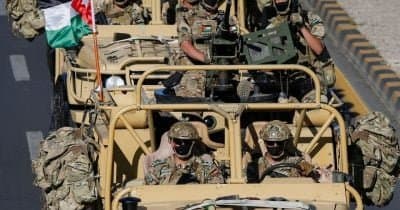
"The situation is escalating rapidly," commented a regional analyst following reports of Iranian military strikes that rocked Kuwait and targeted U.S. military installations in Jordan. These actions come amidst the ongoing conflict, often referred to as the 2026 Iran war, where Iran has consistently retaliated against U.S. and allied interests in the Gulf. Reports indicate that drones and missiles were employed in these latest strikes, showcasing Iran's ongoing strategy of asymmetric warfare.
The explosions in Kuwait shows the tense military environment in the region, which is already feeling the effects of heightened tensions. The U.S. has previously carried out strikes to ensure safe navigation in the Strait of Hormuz, a vital route for global oil transportation. As a result of recent developments, market analysts are predicting a growing likelihood of further Iranian military actions against Gulf states, which may alter regional stability.
Experts are now closely observing the potential for further escalations. Any additional retaliatory actions from Iran could disrupt the precarious ceasefire currently in place. The responses from Gulf nations, alongside possible involvement from other regional players, will be crucial in determining the direction of the unfolding conflict. The financial implications are significant; key developments could lead to fluctuations in market pricing related to the Iran conflict, reflecting a growing sense of unease.
While some speculate on the regional consequences of these actions, the international community remains alert to the possibility of additional strikes. The situation continues to evolve, and observers are eager to see how diplomatic interventions might arise in response to this latest round of hostilities.
This material is for informational purposes only and does not constitute financial advice.