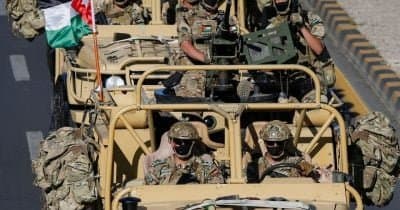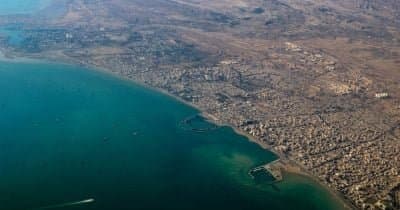
In a dramatic turn of events, the United States has executed a military strike on a Coast Guard station in Sirik, Iran. This action targets vital maritime infrastructure, marking a sharp escalation in hostilities that reignited earlier this year following the collapse of a ceasefire.
The U.S. strike aims to cripple Iran's maritime enforcement capabilities, particularly in the strategically critical Strait of Hormuz, which serves as a key transit route for global oil shipments. Iran has responded with accusations against the U.S. for breaching a previous interim agreement, leading to an ongoing cycle of retaliatory strikes between the two nations.
Market Reactions and Implications
The ramifications of the attack are already being felt in financial markets, with speculations of increased military actions by Iran against Gulf states. Market indicators suggest a notable shift in the likelihood of Iranian military responses, particularly around the dates of July 14 and 15. This raises concerns about the potential for broader regional conflict.
The targeted nature of the strike on maritime infrastructure reflects a strategic U.S. objective to maintain open and secure shipping lanes in the Strait of Hormuz. As the situation evolves, key figures such as Iran's Supreme Leader Ali Khamenei and President Ebrahim Raisi will be crucial to monitor for any signs of further military escalation.
Additionally, any Iranian attempts to obstruct or disrupt shipping in this area could have significant repercussions on market stability and oil prices. Diplomatic efforts from regional players, including Qatar and Oman, may play a critical role in either mitigating tensions or exacerbating the conflict.
This material is for informational purposes only and should not be considered financial advice.