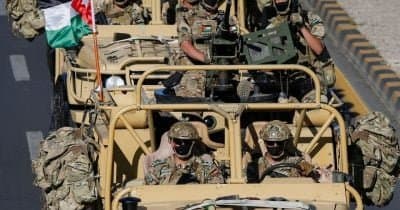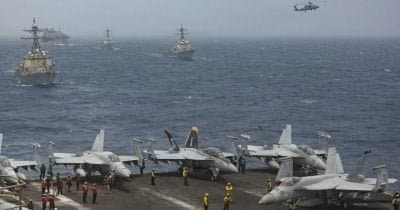
Recent reports from Iranian media reveal that clashes in the Strait of Hormuz have intensified, with sounds of conflict resonating in Bandar Abbas and nearby areas. This spike in tensions follows a series of hostile engagements between Iran and the United States, as the 2026 Iran war continues to unfold. Notably, President Donald Trump has suggested that military strikes targeting Iran's energy infrastructure may occur if diplomatic negotiations falter. In a significant development, the Strait of Hormuz a crucial route for global oil transport has been entirely closed to shipping since July 12 due to escalating military actions.
The situation shows a growing risk of U.S. military intervention, with market analysts assigning a 19.5% chance of an American invasion of Iran before the end of 2027. These insights align with a general increase in support for military action among market players. Meanwhile, the likelihood of the U.S. ending its blockade on Iran by August 31 has dipped from 64% to 54.5%, indicating a belief that the current standoff may not resolve swiftly.
As events develop, it will be vital to pay attention to any forthcoming communications from President Trump or the U.S. Department of Defense regarding military strategies in the area. Such announcements could significantly alter market predictions regarding a potential invasion. Simultaneously, updates from Iranian media or government sources concerning the situation in the Strait of Hormuz will offer critical insights into the prospect of easing the blockade. With the coming weeks likely to shape the trajectory of this complex situation, close observation of both military actions and diplomatic efforts remains essential. For further context, U.S. targets Iran by closing strategic waterway could provide additional understanding of America's strategic positioning.
This material is for informational purposes only and is not financial advice.