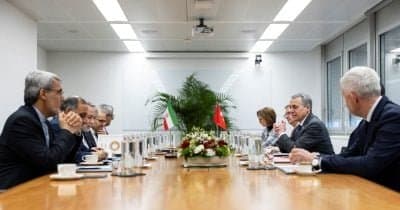
On Tuesday, the United States initiated talks with Iran, a strategic move aimed at stabilizing relations in the aftermath of the 2025-2026 conflict that strained ties between the two nations. These discussions are part of a broader effort encapsulated in a 14-point Memorandum of Understanding (MoU) signed in June 2026, which outlines key agreements such as a ceasefire and negotiations regarding Iran's nuclear ambitions.
In conjunction with these talks, the UK responded to rising tensions by summoning Iran's chargé d’affaires, prompted by concerns over accusations of proxy attacks and an alleged assassination plot targeting journalists. This backdrop shows a complex landscape where diplomatic progress is often challenged by escalating conflicts and geopolitical maneuvers.
The confirmation of these discussions between the US and Iran suggests a possibility for ongoing diplomatic engagement, with market analysts noting a slight increase in expectations for a formal meeting in the UAE by September 30, 2026. Observers are keenly watching for any announcements from either country regarding the timing and location of future talks, as developments in regional security, particularly concerning proxy attacks, could significantly impact the effectiveness of negotiations under the MoU.
As the situation evolves, the implications of these diplomatic efforts not only affect bilateral relations but also resonate within the broader context of Middle Eastern politics. The international community remains attentive to how these negotiations unfold, particularly in light of the UK’s recent diplomatic actions.
This article is for informational purposes only and does not constitute financial advice.