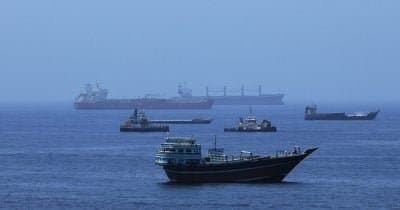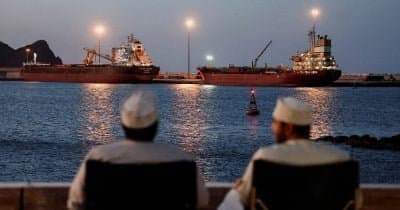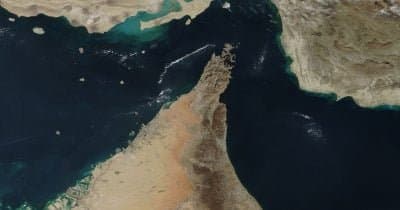
In a recent confrontation that highlights the ongoing tensions between Iran and the United States, control over the Strait of Hormuz has become a focal point. Reports indicate that Iran is expanding its military presence in this vital waterway, crucial for global oil transportation. With the region witnessing a fragile ceasefire following a peace agreement signed in May, recent military exchanges suggest that stability is still far from reach.
The Strait of Hormuz, through which a significant portion of the world’s oil passes, has now turned into a chess piece in Iran's strategic maneuvering. The Iranian government appears to be using its control over these waters as use. They may even seek to impose tolls on vessels transiting the strait if a peace deal is not finalized by mid-August. Current market predictions indicate that Iran’s influence over the Strait will likely continue, with pricing indicating a near 14% likelihood of a decrease in normalization by the end of August.
Following airstrikes from the Trump administration, U.S. military vessels have remained absent from the strait, relying largely on aerial strategies and sanctions. Iran's military actions, juxtaposed with U.S. responses, form a picture of a high-stakes game that could have significant repercussions for the global oil market.
Looking ahead, developers in the region are keen to watch for statements from Iranian leaders or joint U.S.-Iran press conferences. Any sign of progress toward peace, such as a finalized agreement or action from the UN Security Council mandating free navigation, could signify a positive shift. Conversely, any reinforcement of Iran's closure of the Strait or escalation of U.S. military involvement might further hinder the chances for normalization.
This situation emphasizes the precarious balance of power in the region and its implications for oil transport globally.