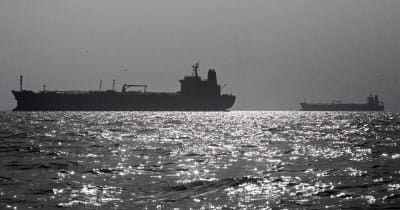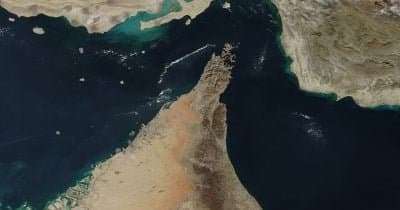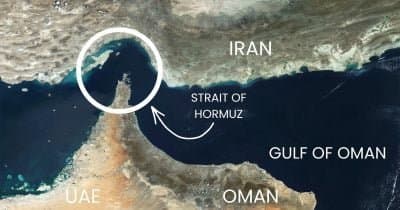
On the very first day of the 2026 conflict in Iran, bold declarations were made regarding the intention to seize the nation’s oil reserves and disrupt its control over the critical Strait of Hormuz. This strategic waterway is key to the global oil market, responsible for approximately 25% of the world’s maritime oil trade. The tensions surrounding this conflict have already led to significant disruptions in oil flows, posing a serious threat to crude oil prices.
As military actions loom, the possibility of further escalations could exacerbate these disruptions, prompting fears of a more constrained global oil supply. Consequently, market reactions have been swift, with noticeable movements in prediction markets for West Texas Intermediate (WTI) crude oil pricing. The forecast for July 2026 indicates a marked increase in the likelihood of WTI reaching higher price thresholds, reflecting escalating concerns over potential supply shortages amidst the geopolitical turmoil.
Amid these developments, market observers are closely monitoring the situation. The implications of any confirmed military actions or blockades could lead to immediate adjustments in global oil pricing, as traders brace for potential supply constraints. The potential for controlling the Strait of Hormuz is becoming a critical point of focus, as it could significantly influence future oil price trajectories.
What Lies Ahead
Looking forward, key players in the market will be vigilant for any concrete military actions or official statements from influential geopolitical figures, including representatives from the U.S. administration and the Iranian government. These communications could have profound effects on market expectations. Furthermore, any new developments regarding OPEC+ production adjustments in response to the situation will also be closely watched.
For those tracking the oil market, the situation remains fluid and unpredictable, with the potential for significant price volatility in the weeks to come. The ongoing conflict serves as a stark reminder of how geopolitical tensions can swiftly alter the space of global oil supply.
This material is informational and should not be considered financial advice.