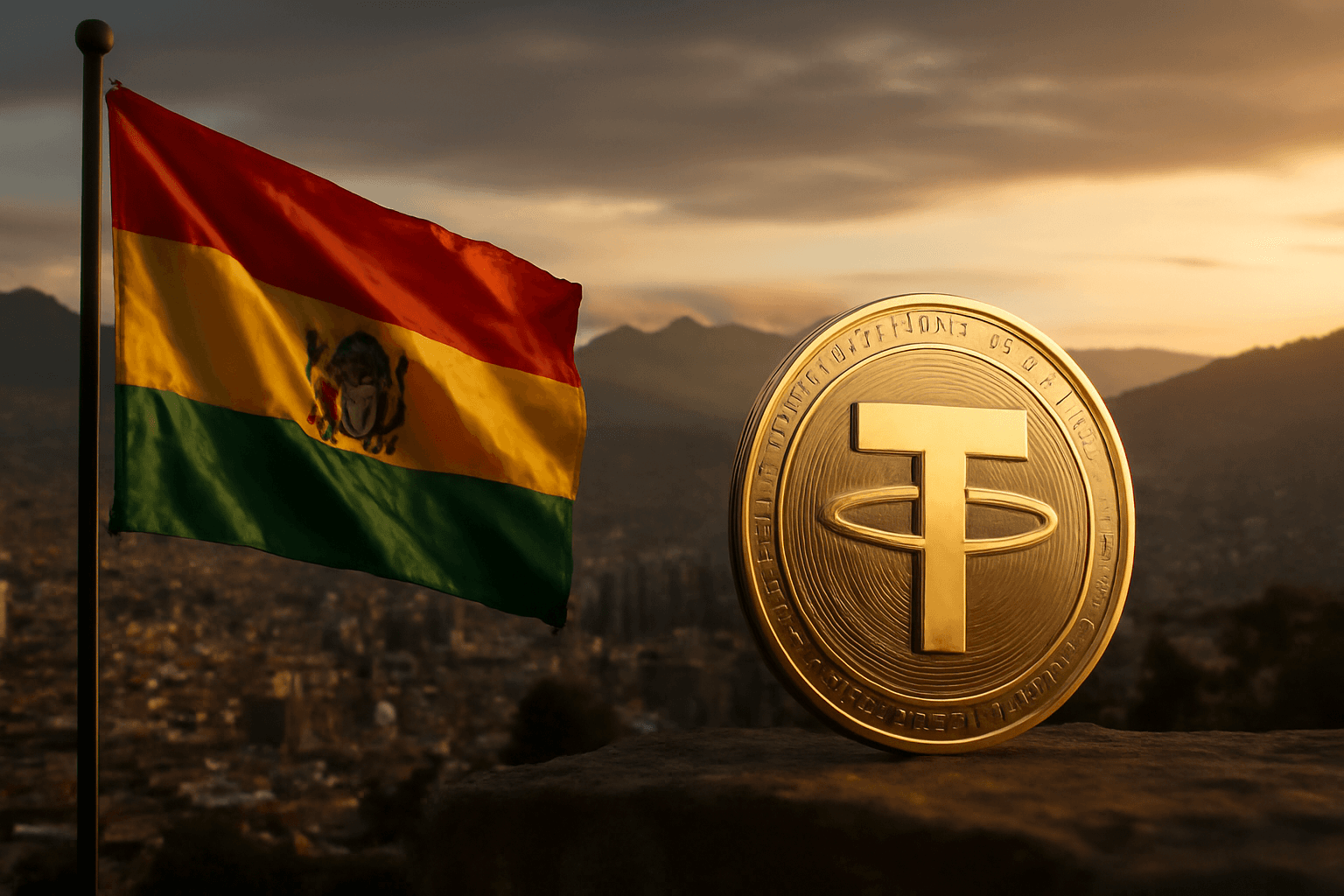
Bolivia is moving towards the potential integration of USDT, the leading stablecoin, into its national financial system. This decision comes in light of significant changes in the country's cryptocurrency landscape, particularly following the lifting of a ban on digital assets.
During a recent press conference, Jose Gabriel Espinoza, Bolivia's Minister of Economy and Public Finance, announced that the government is actively considering the use of USDT alongside the U.S. dollar and the local boliviano. This initiative aims to combat the ongoing foreign currency crisis that has plagued the nation. In 2025, trading volumes for cryptocurrencies soared by over 600%, highlighting a growing interest in digital assets.
Espinoza noted that while the Central Bank has allowed operations with digital currencies, there is currently no regulatory framework in place to facilitate the immediate integration of USDT. The government recognizes the urgent need for a structured approach, especially since Bolivia has been placed on the Financial Action Task Force (FATF) gray list since June 2025, necessitating stringent anti-money laundering measures.
As part of the strategy to incorporate USDT into the payment system, Espinoza emphasized that the assets must be well-regulated to prevent their misuse for illicit activities. The Bolivian government previously expressed a favorable stance towards cryptocurrencies, with plans to incorporate them into the banking system. Notably, Bisa Bank, one of the country's major banks, is already offering USDT exchange services.
This move could revitalize Bolivia's economy, particularly following the removal of currency controls that allowed the dollar to float freely. As the nation navigates this transition, it will be essential to establish a clear and effective regulatory framework to support the adoption of stablecoins like USDT and safeguard against potential risks.
This material is for informational purposes only and should not be considered financial advice.