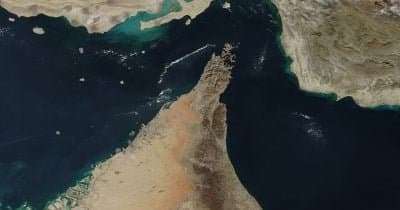
Iran achieved a significant milestone by exporting 57 million barrels of oil while the U.S. temporarily lifted its blockade and sanctions. This ceasefire, reached between Washington and Tehran in June, allowed Iranian shipments to spike to about 2.2 million barrels per day.
With this increased supply, market observers noted a corresponding drop in oil prices over recent weeks. However, the situation is poised for a dramatic shift as the U.S. reinstates the blockade and reduces cargo throughput in the Strait of Hormuz by 20%. The return to previous restrictions is expected to significantly impact both prices and supply.
Market Implications
Recent market data reveals that the renewed U.S. blockade could hinder the possibility of normalizing traffic through the Strait of Hormuz by the end of August. Additionally, WTI Crude Oil futures indicate that traders might prepare for heightened volatility and possible price increases as a result of these geopolitical developments.
The temporary easing of restrictions had notably bolstered Iran's capacity to send out oil, but this advantage could evaporate swiftly. As tensions may escalate again, the world will be watching closely for any diplomatic breakthroughs or further sanctions that could change the landscape of oil trading.
Keep an eye on fluctuations in oil prices as the market reacts to these new challenges, with no signs showing that a resolution is imminent.
This material is for informational purposes only and does not constitute financial advice.