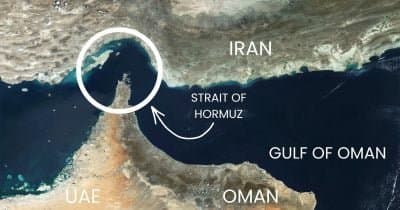
The U.S. has intensified its military actions against Iran, resulting in Iran targeting two supertankers in the vital Strait of Hormuz. This escalation follows a series of U.S. airstrikes that resumed on July 7, contributing to a rapidly deteriorating situation.
Prior to this, Iran had attacked three commercial vessels, breaching a delicate 60-day truce aimed at reducing hostilities. The Strait of Hormuz is essential for global energy, facilitating about 20% of oil and gas trade. Any disruption could have significant consequences for the international market.
As the situation evolves, the prediction market reflects growing concerns about a potential U.S. invasion of Iran, with odds rising to 19.5% for such an outcome before the end of 2026 up from 18% within a day. Experts warn that further breakdowns in negotiations could spur additional U.S. military involvement.
Market observers are now keenly watching the developments, including statements from President Donald Trump and Defense Secretary Pete Hegseth, as signs of failed diplomacy or military maneuvers could sway perceptions regarding U.S. military action. The dynamics within Iran and the role of international actors like Pakistan and China in mediating ceasefires will also be key to understanding this tense scenario.
This material is informational and does not constitute financial advice.