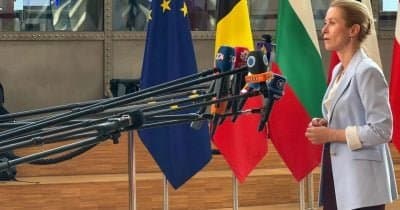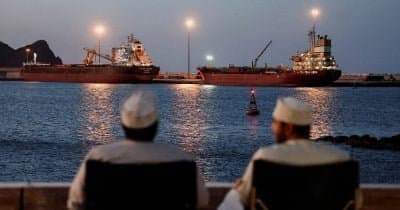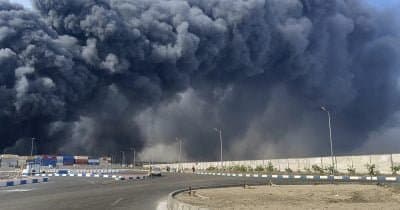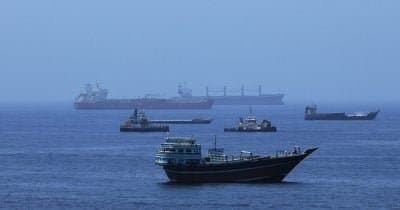
The International Maritime Organization (IMO) has taken a firm stance on the situation in the Strait of Hormuz, urging for it to remain toll-free. This appeal comes in light of Iran's recent attempts to levy transit fees due to the escalating U.S.-Iran conflict.
Amid persistent tensions, Iran has previously closed the strait on multiple occasions and has had confrontations with commercial vessels navigating the waters. The IMO's insistence aligns with the principles outlined in the UN Convention on the Law of the Sea, which advocates for unrestricted navigation through vital maritime corridors. The ongoing geopolitical instability has introduced uncertainties in market operations, particularly concerning expectations about Iran possibly imposing fees and the overall shipping traffic normalization through the strait.
Market Reactions to the IMO's Call
As the rhetoric between Iran and the U.S. heats up, market analysts have interpreted the IMO's call for free passage as a signal of decreasing likelihood that Iran will implement these fees in the immediate future. The indications from market pricing suggest a growing probability of normalization of shipping traffic by July 15, a critical deadline. However, the complexities arising from the U.S.-Iran tensions continue to inject unpredictability into the markets, influencing pricing dynamics significantly.
Future Developments to Monitor
Attention is now shifting toward any official announcements from Iranian authorities or the Islamic Revolutionary Guard Corps (IRGC) regarding their approach to transit fees. Such moves could have direct implications on market pricing and sentiment. Moreover, ongoing discussions between U.S. and Iranian officials may further influence the 60-day pause on such fees, which remains a pivotal point for stakeholders. Reports of increased maritime activity in the strait could signal a positive trajectory towards normalizing shipping routes in the area.
This article is for informational purposes only and does not constitute financial advice.