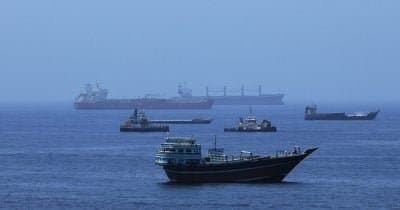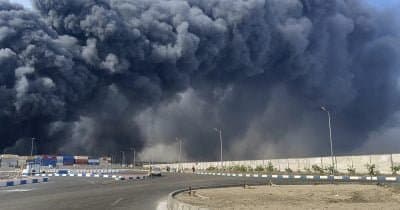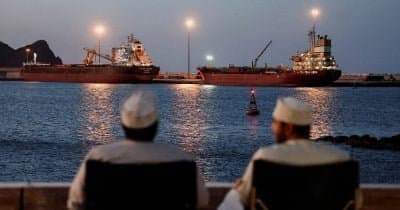
Iran's Foreign Minister Abbas Araghchi has recently charged the United States with illegal activities in the Strait of Hormuz, a crucial maritime route. This accusation, reported by the state news agency IRNA, highlights concerns over U.S. actions that Araghchi claims threaten regional peace and disrupt commercial shipping operations.
The remarks followed a phone conversation with Cypriot Foreign Minister Constantinos Kombos, during which Araghchi pointed out that the ongoing escalation between the two nations has intensified tensions in the region. Notably, Iran has taken steps to restrict access to the strait, a waterway through which approximately 20% of the world's oil trade flows.
As the situation evolves, experts suggest that geopolitical risks are climbing, particularly in light of the 2026 Strait of Hormuz crisis. The U.S. views it as an international waterway, while Iran maintains its authority over the passage. Market analysts are now reflecting on these developments, noting a decline in expectations for the strait to reopen by the end of August.
Implications for Global Shipping
The escalation of military activities and diplomatic tensions raises questions about the operational status of the Strait. Market signals indicate:
- Increased likelihood of sustained disruptions affecting shipping routes.
- Reduced chances of traffic normalization in the strait by late August.
- A continuation of conflict scenarios in the area.
Looking ahead, observers are advised to keep an eye on potential diplomatic breakthroughs or further military actions that might influence the strait's reopening. Official statements from Iran or the U.S. will be crucial in shaping the outlook. Additionally, updates from international organizations, such as the UN, may provide further insights into this tightening situation.
This information is for informational purposes only and should not be considered financial advice.