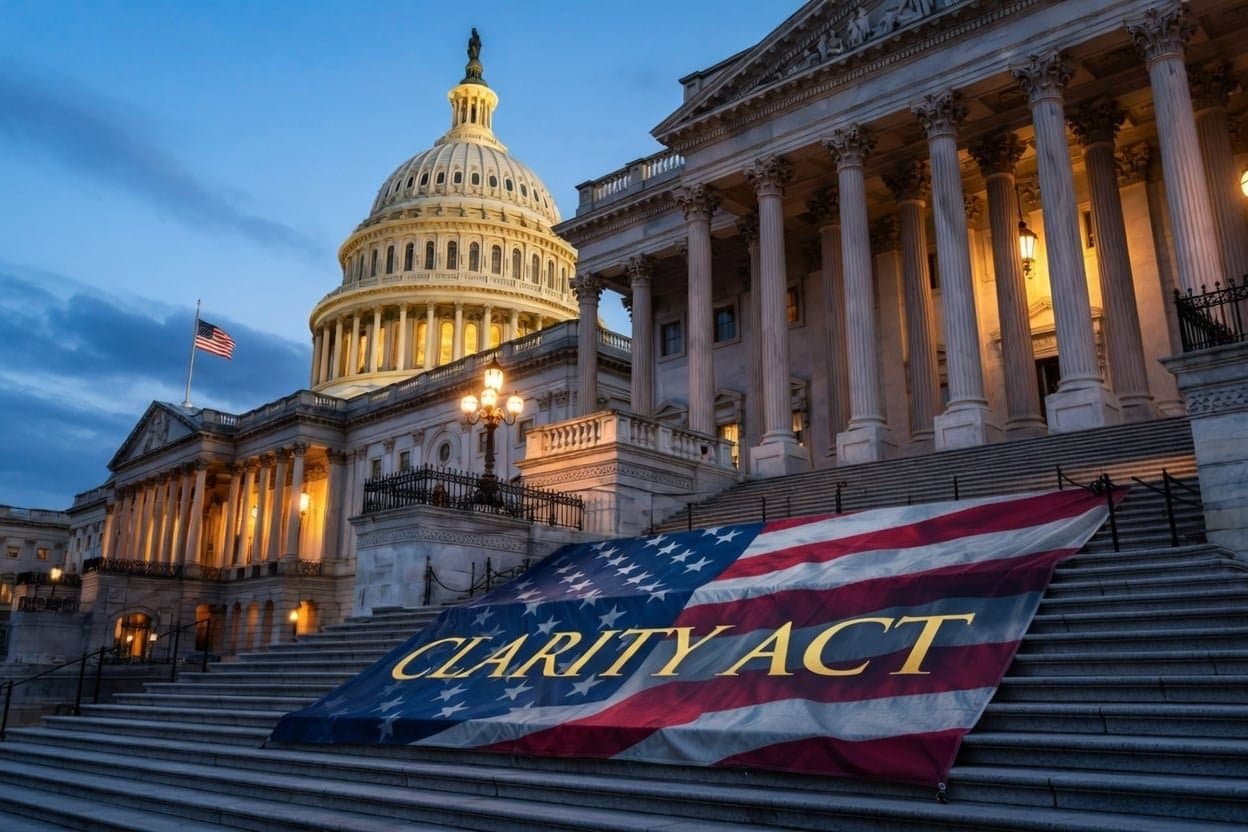
In a significant move towards shaping the future of digital finance, the US Department of the Treasury and UK HM Treasury have unveiled a joint 10-point roadmap focusing on tokenization and stablecoins. This announcement, made on July 14, 2026, reflects a collaborative effort to streamline regulatory frameworks across borders.
The roadmap shows the importance of aligning regulations, particularly concerning payment stablecoins, which should be backed 1:1 by cash and high-quality liquid assets. This alignment emerges from the US's GENIUS Act, a landmark legislation enacted on July 18, 2025, that outlines a federal framework for stablecoins, targeting full implementation in early 2027.
The GENIUS Act mandates strict reserve requirements, which are essential for instilling confidence in the stability of these digital assets. This includes monthly disclosures about reserves, aimed at preventing the opacity that has plagued the industry in the past, contributing to significant collapses. Furthermore, the Act prohibits interest payments to stablecoin holders, which could pose challenges for these assets in competing with traditional financial products.
The UK is progressing similarly, having proposed a consolidated payments framework in April 2026. In May, the Financial Conduct Authority and the Bank of England engaged the public for feedback on wholesale market tokenization, with the intent to finalize regulations by the end of 2026.
Both nations also announced the formation of an industry-led working group tasked with testing cross-border tokenization projects, a crucial step for the practical application of these regulations. Notably, specific stablecoins were not mentioned in the roadmap, reflecting an intention for the framework to be applicable to any compliant stablecoin.
For investors, the implications are promising. The new regulations aim to create a more transparent environment for stablecoins, which could reinforce investor confidence. However, the prohibition on interest payments may limit their appeal compared to traditional savings options. As the industry-led working group begins its work, the commitment from major financial institutions will be a telling sign of the framework's potential impact.
This material is informational and not financial advice.