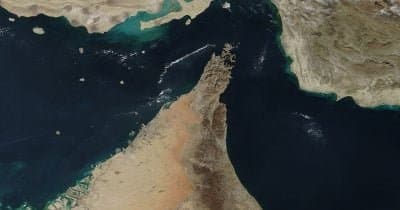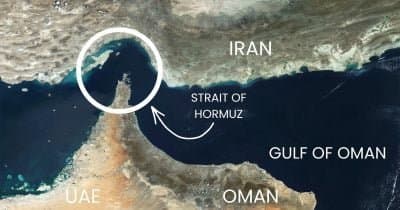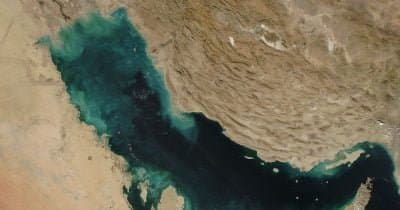
The Arabian Gulf has seen a stabilization in oil exports, reaching around 15 million barrels per day. This progress follows the recent ceasefire between Iran and the United States, which has allowed the crucial Strait of Hormuz to reopen, a critical route for global oil transportation.
Current Oil Export Levels
The latest figures indicate that oil exports from the region have returned to pre-conflict levels. Major oil producers, particularly Saudi Arabia and the United Arab Emirates, are leading this resurgence. This increase in supply has contributed to a notable drop in global oil prices, with futures now trading below $90 per barrel.
Market Reactions and Future Implications
The current market climate suggests a decline in the likelihood of West Texas Intermediate (WTI) crude oil prices spiking to $130, as seen in previous months. The easing of supply constraints has allowed for a more stable pricing environment, which many market analysts are viewing positively.
Investors and analysts are keeping a close watch on the developments in the Strait of Hormuz for any signs of renewed disruptions that could affect oil shipments. Additionally, any announcements from OPEC+ regarding potential production adjustments may further shape market expectations.