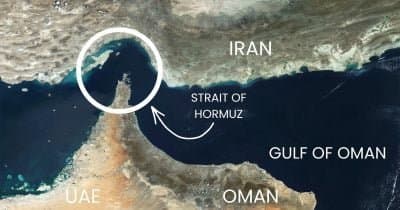
The global oil landscape is shifting as Gulf nations race to build pipeline infrastructure aimed at circumventing the troubled Strait of Hormuz. With the ongoing conflict in Iran effectively closing this crucial maritime route, which previously facilitated the transit of 17 to 20 million barrels of oil daily, countries like Saudi Arabia and the UAE are making rapid advancements in their pipeline initiatives.
Strategic Infrastructure Developments
One notable project is the UAE’s West-East pipeline, designed to significantly boost the nation's export capacity by 2027. This effort not only aims to reduce dependence on the Strait but also to enhance regional oil trading capabilities. Such developments are crucial as they reshape the dynamics of oil supply and demand amid geopolitical tensions.
Market analysts are observing the implications of these new pipelines on West Texas Intermediate (WTI) crude oil prices. Currently, pricing for WTI is hovering around $90 per barrel, with a 33.2% probability of reaching this level by July. This marks a shift in expectations, as the likelihood of a spike to $130 has dwindled to just 1%. These figures indicate that traders are beginning to factor in the impact of newly constructed infrastructure on easing price pressures.
As the situation evolves, stakeholders in the oil market are keenly watching developments surrounding the Strait of Hormuz and the progress of pipeline constructions. The ongoing construction efforts are likely to influence not only pricing but also the broader strategy of oil exportation in the region.
In the upcoming weeks, it will be crucial to follow announcements regarding the pipeline projects, particularly from Saudi Arabia and the UAE. Any news regarding increased export capabilities or changes in the status of the Strait could send ripples through the market. Additionally, geopolitical scenarios, such as potential peace negotiations or escalated military actions, could further shape oil price trajectories.
This material is informational and should not be considered financial advice.