China has taken decisive steps to cushion the blow from the US-Israel conflict with Iran on global oil prices. By slashing its crude oil imports and drawing from strategic reserves, the nation managed to keep Brent crude prices from skyrocketing above $100 per barrel, despite a significant 14% decline in global supply.
However, the situation is becoming increasingly complicated. As China balances its energy needs, it faces rising questions about its ability to handle the refined fuels market. Export restrictions and a drop in crude imports from Iran are tightening supply, while consumer demand is shifting away from traditional fuels like gasoline and diesel. This shift could undermine China’s earlier achievements in stabilizing crude oil prices.
Market Dynamics and Future Implications
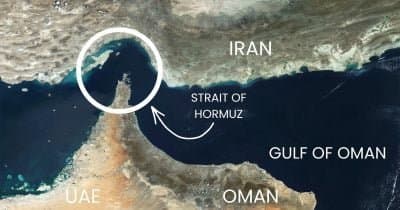
Market analysts are beginning to express doubts about whether China can maintain control over refined fuel prices. The current strategies might not be enough to counteract the emerging constraints. As the geopolitical landscape evolves, with developments such as Iran's recent attacks on supertankers, market participants are closely watching the potential for crude oil prices to reach new heights.
Observers are particularly focused on China’s future actions regarding its energy imports and reserve management. Any shifts in policies could significantly impact global crude and refined fuel prices, while the potential for peace agreements or escalations in the Middle East could also alter market expectations.
This content is for informational purposes only and should not be considered financial advice.