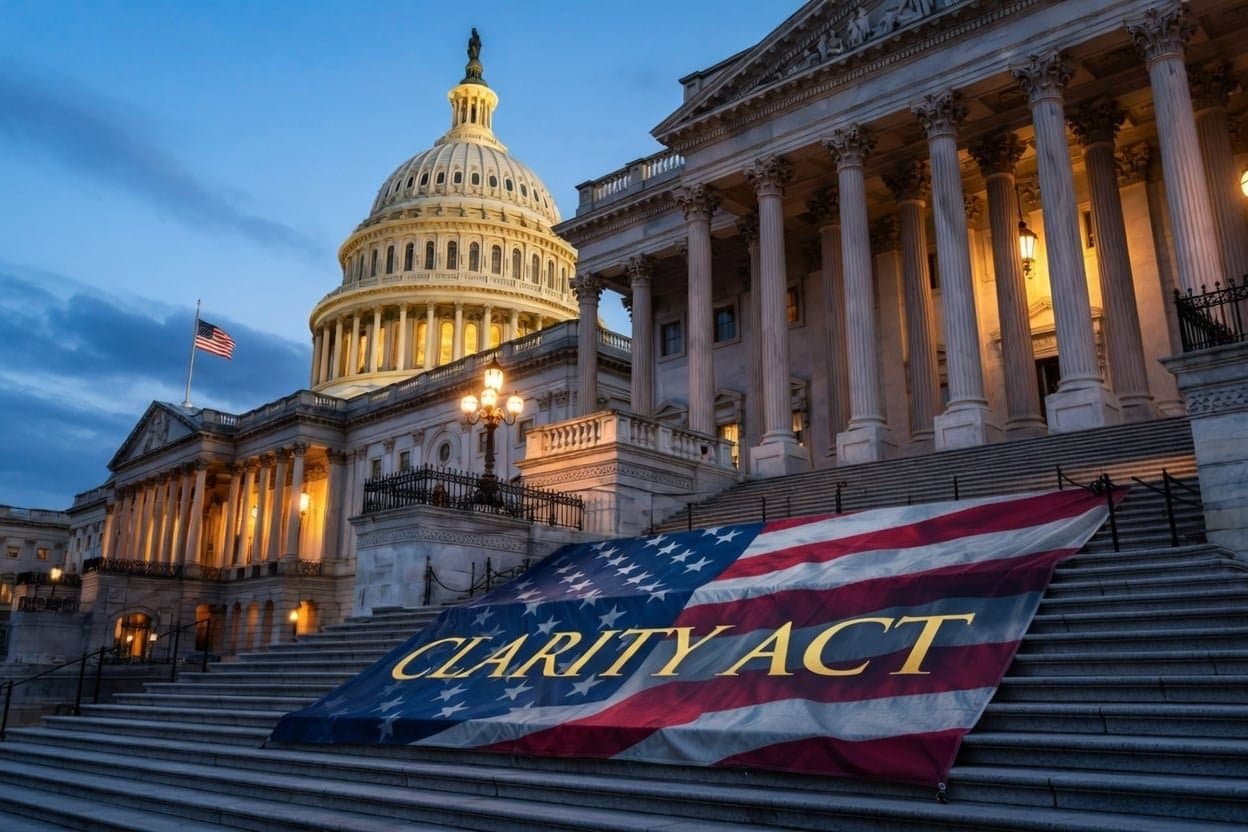
Major U.S. banking organizations are taking a stand on stablecoin regulations, addressing the Senate with a stark warning about the risks posed by ambiguous provisions in the CLARITY Act. In a joint letter, the American Bankers Association and the Independent Community Bankers of America, along with 76 state banking associations, are urging Senate leaders to enhance the regulatory framework surrounding stablecoin yield and interest incentives.
These banking groups underline that current language could inadvertently allow stablecoins to function similarly to bank deposits. They stress that payment stablecoins should primarily act as transaction instruments, not vehicles for accumulation or investment. Concerns abound that without clearer guidelines, the act could encourage practices that undermine deposit stability in regional banks.
Clarity Needed on Stablecoin Yield
In their correspondence, the associations requested revisions specifically to Section 404 of the bill, noting that it requires more explicit definitions of allowable stablecoin activities. The current wording leaves room for interpretation regarding the issuance of rewards by stablecoin platforms, which could enable them to operate as deposit substitutes.
The groups argue that allowing rewards tied to stablecoin balances or holding periods could attract deposits away from traditional banking systems, exacerbating risks to lending capacity. They advocate for a change from a "functional and economic equivalent" standard to a "substantially similar" benchmark, facilitating clearer enforcement of regulations. Their stance represents a protective effort aimed at preventing deposit flight, an issue that could ultimately jeopardize the stability of the banking sector.
Concerns were further amplified following the recent passing of Senator Lindsey Graham, with former President Donald Trump urging lawmakers to expedite the passage of the CLARITY Act. As the legislature progresses, the banking community continues to push for stricter guidelines that could shape the future of stablecoin operations, enhancing the distinction between traditional banking products and emerging digital assets.
Note: This material is informational and does not constitute financial advice.