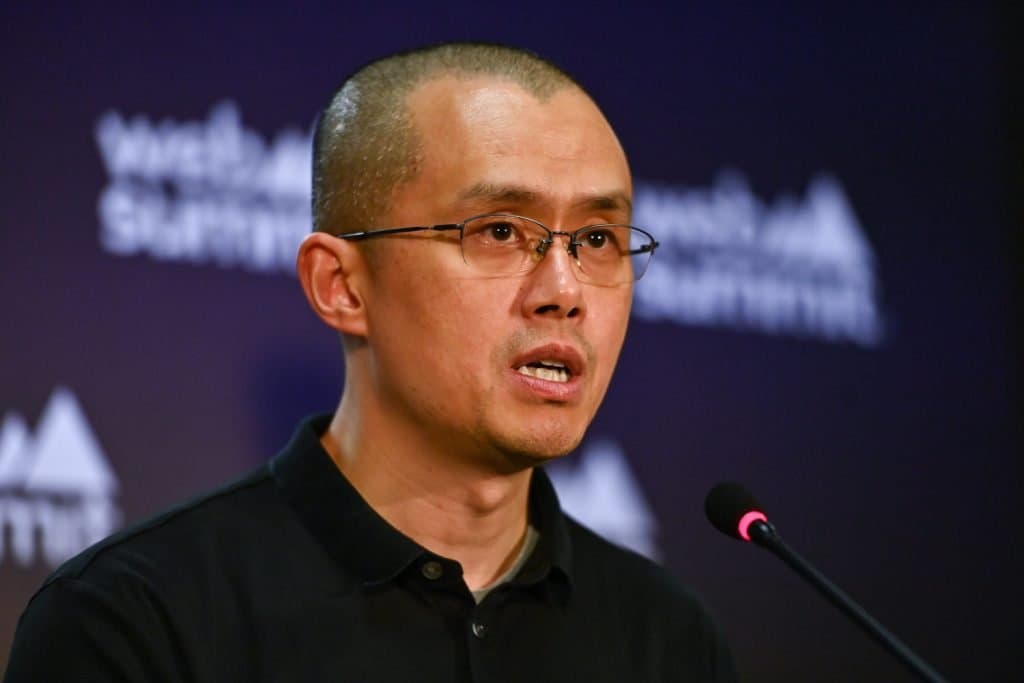
Changpeng Zhao, the founder of Binance, offered intriguing insights into the future of cryptocurrency and artificial intelligence during the celebration of the company's ninth anniversary. He emphasized that AI-driven payment systems and the tokenization of real-world assets are set to revolutionize the industry in the coming decade.
Reflecting on the early days of Binance, founded in 2017, CZ pointed out significant flaws in user experience, security measures, and transactional infrastructure prevalent in exchanges. At a time when many platforms were narrowly focused on Bitcoin, Binance capitalized on the burgeoning market by supporting initial coin offerings and new cryptocurrencies, which played a crucial role in its rise to become the largest cryptocurrency exchange globally within just five months.
If he could advise his past self, CZ would stress the importance of understanding legal frameworks, regulations, and the political environment surrounding the crypto sector. He acknowledged that while Binance prioritized product innovation and user safety, it overlooked the complicated landscape of international regulations, notably how U.S. laws could apply to foreign entities and transactions.
Another key lesson CZ shared was the importance of launching products quickly. He recalled that Binance introduced its futures products two years post-launch. If given the chance to redo that decision today, he would advocate for a faster rollout, highlighting the value of user feedback in the early development stages.
The longevity of Binance as the leading exchange, according to CZ, is attributed to top-notch product quality, solid user protection, and favorable market conditions. He reiterated the company's mission to “increase the freedom of money,” underlining how community support has been key in the company’s growth, with many volunteers aiding Binance’s expansion.
CZ also recognized that centralized firms are particularly susceptible to regulatory and geopolitical challenges, unlike decentralized communities that can operate beyond the reach of a single authority. He believes that treating customers and the broader community fairly will lead to a more resilient business model.
This article is informational and not financial advice.