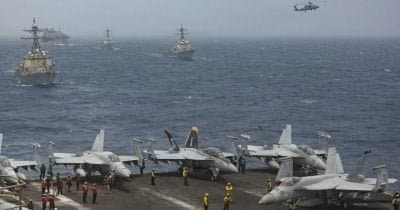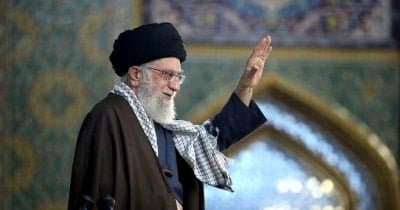
Following the assassination of Iran's Supreme Leader Ali Khamenei and over 40 senior officials in a US-Israeli airstrike, the nation is bracing for potential retaliation. Ali Ozmaei, the commander of the IRGC Navy, has publicly vowed to exact revenge, underscoring a precarious situation that threatens to escalate further.
The incident, which occurred in February 2026, has ignited a fierce conflict involving Iran, the United States, and Israel. As tensions mount, the ceasefire that has been in place since June is now at risk. Ozmaei's declaration of "divine revenge" suggests that Iran may respond with increased military actions.
Implications for Regional Stability
The leadership change in Iran could have far-reaching consequences, particularly for global energy markets. Recent market activity indicates a growing uncertainty regarding the stability of the Iranian regime. Analysts believe that the probability of a leadership transition is increasing, with significant changes expected by mid-2027.
- Market confidence in Iran's leadership is waning, as indicated by current trading patterns.
- Increased likelihood of asymmetric attacks in the Gulf region could arise from the ongoing tensions.
Observers are advised to pay close attention to official statements from Iranian state media and the Assembly of Experts, as any announcements regarding leadership changes will likely influence market dynamics.
This material is for informational purposes only and is not financial advice.