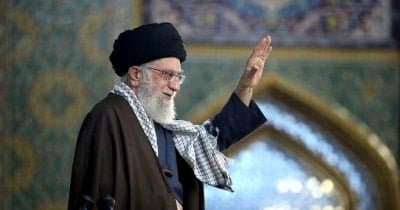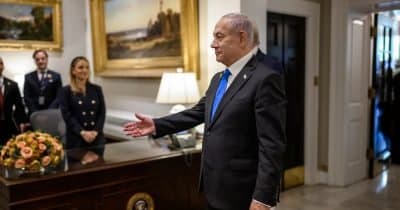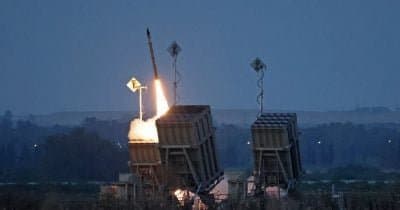
Former President Donald Trump recently stated that Iran no longer poses a significant threat in the Middle East, crediting this change to U.S. initiatives. His remarks come at a time when tensions between the U.S. and Iran remain high, characterized by a failed ceasefire agreement and escalating conflicts. Despite Trump's assertions, Iranian military actions, including attacks on U.S. vessels and assaults by Houthi forces on Saudi targets, paint a different picture of the situation, suggesting that fears are still very much alive.
Market analysts seem to view Trump’s comments with skepticism, interpreting them as a potential signal that the chances of a U.S.-Iran deal regarding reconstruction funding in 2026 have diminished. This comes as geopolitical tensions continue to rise, casting doubt on any possible resolution. Observers note that Trump's tone could imply a more confrontational approach towards Iran, further complicating the prospect of negotiations.
As the international community watches closely, any shifts in U.S. foreign policy or responses from Iranian officials could impact the negotiation climate. Developments such as formal announcements to resume talks or further military actions will likely influence market reactions. Additional comments from mediators in the region, including representatives from Qatar and Pakistan, might also shed light on the evolving dynamics of U.S.-Iran relations and the likelihood of a formal agreement.
This article is for informational purposes only and does not constitute financial advice.