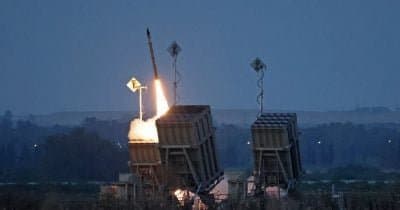
Recent missile strikes from Iran targeting Jordan have raised serious concerns about Israel's ability to defend itself. These attacks are part of a broader strategy by Iran to diminish the interceptor stockpiles of its regional adversaries, particularly impacting Israel’s missile defense systems.
Rising Tensions in the Strait of Hormuz
This escalation follows heightened tensions in the Strait of Hormuz, which began after the US-Israeli operation dubbed Epic Fury aimed at crippling Iran’s nuclear capabilities. In response, Iran has initiated a blockade, disrupting oil and gas traffic in a critical global shipping lane. As reports indicate, Israel's Arrow interceptor reserves are nearing critically low levels, which could compromise its ability to respond to future threats.
Potential Threats to Regional Stability
With the likelihood of traffic normalization in the Strait of Hormuz diminishing, market expectations have plummeted. Currently, pricing for a return to normalcy is down to just 11.5%, reflecting a widespread belief that tensions will persist beyond the end of August. The fragile Memorandum of Understanding between the involved parties is at risk, making any breach a potential catalyst for further conflict.
Observers should closely follow communications from Iranian leaders, including Ayatollah Ali Khamenei and President Masoud Pezeshkian, as these will serve as key indicators of Iran's next moves. Additionally, fluctuations in oil prices may signal shifts in the status quo within the Strait. With just 48 days remaining until the August deadline, the threat of increased tensions looms large.
This article is for informational purposes only and does not constitute financial advice.