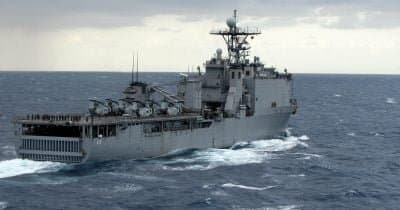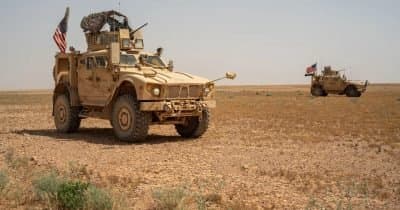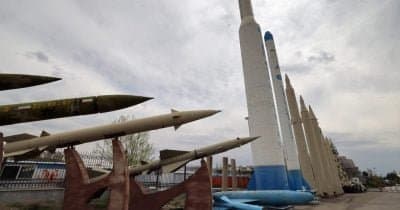
Tensions in the Middle East escalated dramatically as Iran launched missiles and drones toward several Gulf nations, namely Bahrain, Kuwait, Jordan, Qatar, and Oman. This provocative action comes in response to intensified airstrikes conducted by the United States along Iran's southern coast, which aim to undermine Iran's military strength and disrupt vital shipping routes.
The renewed hostilities began on July 7 following the collapse of a ceasefire. Observers warn that the situation could spiral into a broader regional conflict. Iran's closure of the Strait of Hormuz, a critical chokepoint for global oil supplies, raises concerns about potential economic fallout and heightened geopolitical friction.
Gulf states have yet to respond militarily to Iran's aggression but have issued warnings of future consequences. Market analysts note that current pricing indicates a 23.5% likelihood of a U.S. invasion of Iran by the end of 2026, highlighting fears that the region may become increasingly destabilized.
As tensions rise, the responses of key figures such as President Trump and Defense Secretary Pete Hegseth are being closely monitored. Any indications of U.S. troop deployments could significantly influence market reactions. The behavior of Gulf nations in light of this Iranian aggression might also shape regional alliances and conflicts moving forward.
To gauge the future course of this volatile situation, developments surrounding the Strait of Hormuz and diplomatic efforts to reopen it will be critical in the coming weeks.
This material is informational and does not constitute financial advice.