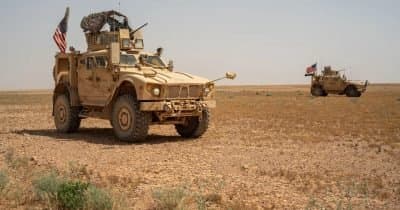
On July 14, Iran's Revolutionary Guards launched an attack on a U.S. special operations command center located in Syria's al-Tanf region. This strike reportedly resulted in significant damage to equipment and possible casualties among U.S. personnel, a claim that has been contested.
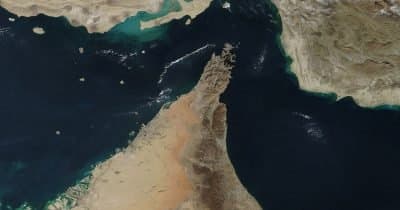
This incident marks a serious escalation in the ongoing conflict between the two nations, following Iran's recent closure of the vital Strait of Hormuz, a key route for global oil exports. The implications of this military action have raised alarms among traders and government officials alike, with many interpreting the attack as an indication of an increased risk of U.S. military engagement, possibly even a direct invasion of Iran.
Market Reactions and Future Implications
The geopolitical tensions resulting from this attack have sent ripples through the markets. Traders are now assessing the likelihood of further military responses from the U.S., particularly under the leadership of President Donald Trump and Defense Secretary Pete Hegseth. Many anticipate that any further military movement or diplomatic efforts, including ceasefire negotiations involving Pakistan and China, may influence market dynamics significantly.
- Potential U.S. military actions in response to the attack
- Impact on global oil markets due to heightened tensions
- Expected statements from U.S. officials regarding the incident
As the situation unfolds, industry observers are keeping a close eye on the U.S. government’s forthcoming actions and statements, which could reshape market expectations and lead to increased volatility in oil prices and defense stocks.
This material is for informational purposes only and should not be considered as financial advice.