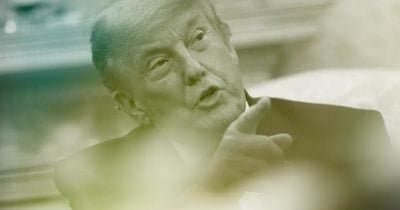
In a bold move, President Donald Trump has accused China of meddling in the 2020 U.S. elections, a claim that could jeopardize the fragile trade truce between the two countries. This allegation arises as Trump gears up for the 2026 midterm elections, potentially heightening diplomatic tensions at a critical moment. Despite a recent state visit to Beijing in May 2026 aimed at fostering stability, Trump's assertions starkly contrast with prior intelligence reports that found no foreign interference in the election.
The implications of Trump's accusations are significant. Market analysts are interpreting his statements as a signal of escalating tensions, with expectations for Chinese President Xi Jinping's visit to the U.S. dropping from 94% to 89% within just a week. This shift suggests an increasingly uncertain diplomatic landscape, which could have far-reaching consequences for both nations.
As the political climate evolves, observers are keenly watching for responses from Chinese officials. Statements from leaders like Xi Jinping or Foreign Minister Wang Yi could either exacerbate or alleviate the current situation. Any formal invitations or breakthroughs reported by U.S. officials, particularly from the National Security Council, will also play a crucial role in shaping the likelihood of Xi's visit before 2027.
For now, the world is left to ponder the implications of Trump's rhetoric. As these developments unfold, they may not only influence U.S.-China relations but could also reverberate across global markets, especially in sectors sensitive to trade dynamics.
This article is for informational purposes only and does not constitute financial advice.