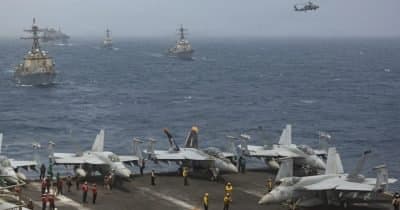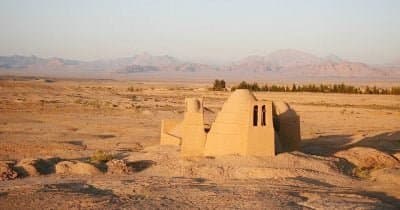
A US military strike has reportedly resulted in the deaths of three individuals in southern Iran, specifically in a region west of Bandar Abbas. This event comes in the context of heightened conflict between the United States and Iran, which has intensified following the collapse of a ceasefire on July 8, 2026, according to reports from the IRGC-affiliated Tasnim News and the Hormozgan provincial government.
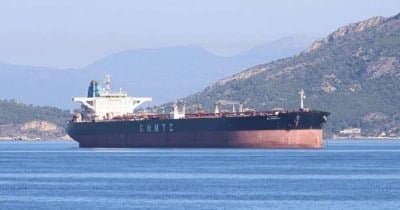
The strike has been characterized as part of a broader military campaign rather than a full-scale invasion. It targeted areas known to have civilian populations, which aligns with recent US military responses to Iranian aggression in the Strait of Hormuz, where Iranian forces have been implicated in attacks on commercial vessels.
Current State of Military Engagements
This recent escalation marks a significant increase in military actions surrounding Bandar Abbas, a critical port city that hosts vital IRGC naval facilities. The ongoing hostilities have seen a series of US airstrikes aimed at multiple Iranian targets, while the IRGC has retaliated against US bases in the area.
Market predictions regarding the potential collapse of the Iranian regime by 2027 have been impacted, with the estimated probability of such an outcome rising to 9.5% for December 31. Just a day prior, this figure stood at 8%, indicating a growing expectation of instability within the Iranian government.
Public Reaction and Future Predictions
The strike's impact on civilian areas could incite anti-regime protests, potentially altering public sentiment against the Iranian leadership. Observers are paying close attention to any signs of internal dissent within the IRGC, including defections or widespread protests, as these could signal a shift in the regime's stability.
Furthermore, any statements from influential figures like Mojtaba Khamenei or international leaders, including US President Donald Trump, could significantly shape market perceptions regarding the Iranian regime's future. The continuation of military actions, especially those affecting civilian populations, will likely be crucial in determining the trajectory of the current conflict and the Iranian regime's resilience.
This article is for informational purposes only and should not be considered financial advice.