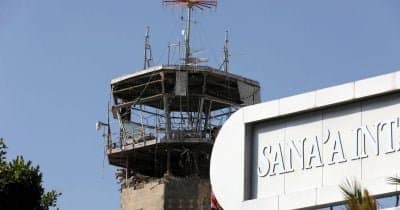
The recent airstrikes on Sanaa International Airport have escalated tensions in Yemen, with the Houthis accusing Saudi Arabia of breaching the 2022 de-escalation truce. This development not only marks a significant uptick in hostilities but also has the potential to destabilize the region further.
Impact on Geopolitical Landscape
With the ceasefire having largely held for four years, the attacks suggest a major shift in the conflict dynamics. The Houthis, aligned with Iran, have stated that they consider the de-escalation phase over and are preparing for possible retaliation. This shift may impact not only Yemen but also Iran's stability, as market analysts now estimate a 9.5% chance of regime change in Iran by the end of 2026, up from 8% just a day earlier.
Potential Consequences
Market participants are wary of the implications these airstrikes could have. Increased concern over Iran's internal stability, especially if there are any signs of significant unrest or defections within the Iranian Revolutionary Guard Corps (IRGC), could lead to further fluctuations in market sentiment. The upcoming responses from the Houthis and Iran will be crucial in determining the next steps in this volatile equation. With the Houthi warning of retaliation and Saudi Arabia's continued military posture, the situation remains precarious and demands close monitoring.
This material is for informational purposes only and should not be considered financial advice.