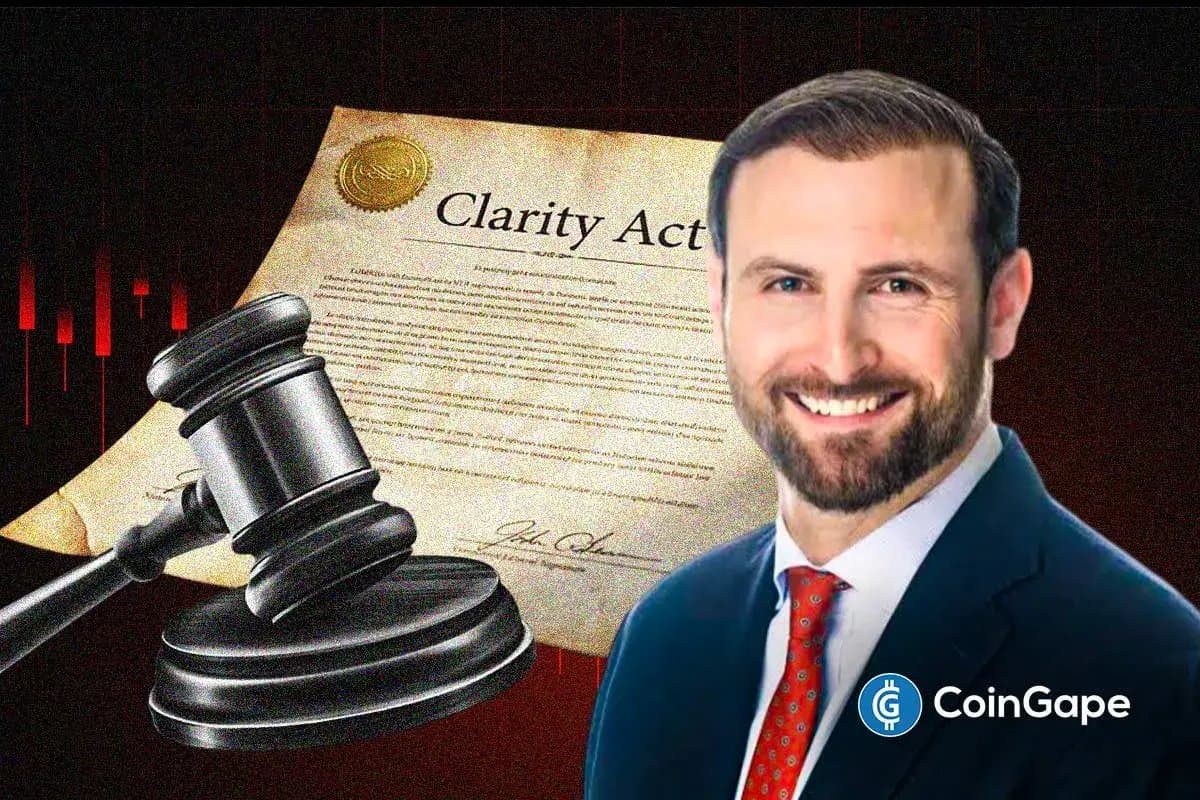
The probability of the Clarity Act being enacted this year has plummeted to unprecedented levels. This decline comes as Patrick Witt, the White House's leading crypto advisor, is set to take military leave. Concurrently, Senator Elizabeth Warren is advocating for the inclusion of stringent ethics regulations to the crypto legislation, which is expected to further complicate its passage.
Witt's absence is particularly notable at a time when the space is rife with challenges and regulatory scrutiny. His role has been key in navigating the intricate relationship between digital currencies and federal oversight, and his temporary departure raises concerns about the momentum for the Clarity Act, which aims to streamline crypto regulations. Without strong guidance, the bill could lose traction amid ongoing legislative maneuvering.
Warren's push for ethics rules reflects an increasing demand for accountability in the rapidly evolving cryptocurrency sector. Her emphasis on establishing comprehensive regulations could delay discussions on the Clarity Act, shifting the focus to broader ethical concerns rather than specific legislative goals. The interplay between these factors could create a significant roadblock for the bill, leading to uncertainty within the industry.