In a notable policy shift, President Donald Trump has introduced the idea of a 20% toll on all cargo passing through the Strait of Hormuz. This proposal aims to help cover the costs of U.S. military security in the area, as reported by the social media handle @CHItrader. Historically, Trump had championed the notion of keeping this vital waterway toll-free, but rising tensions with Iran have changed the narrative.
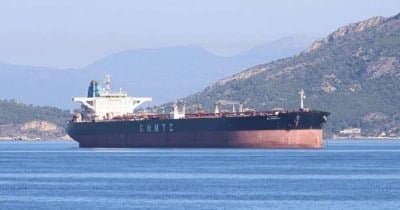
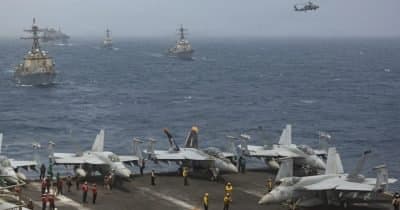
The Strait of Hormuz is crucial for global oil transportation, facilitating a significant percentage of the world's oil supply. The increasing military activity by the U.S. and the reimposition of shipping restrictions on Iran have exacerbated the situation. Recent incidents have already led to disruptions in shipping traffic, drawing attention to this strategic chokepoint in the ongoing U.S.-Iran conflict.
Market responses to Trump's proposal suggest a complex outlook. Currently, the odds of U.S. implementing such cargo fees stand at 35% for a potential effect by December 31. This uncertainty plays into the broader dynamics of international trade through the strait, with the normalization of traffic expected to remain low at a mere 0.2% probability by mid-July. Interestingly, speculation surrounding the toll’s implementation has further muddied the waters, leading to an 18.5% chance of fees being established by the end of July.
Industry watchers are keeping a close eye on any forthcoming statements from U.S. officials, including Trump, Secretary of State Marco Rubio, and Vice President JD Vance. A definitive announcement from the U.S. Treasury could significantly impact market perceptions and behaviors. Moreover, any escalations in the U.S.-Iran conflict, whether through military engagements or diplomatic efforts, will likely play a key role in shaping future market conditions regarding the Strait of Hormuz.
This material is for informational purposes only and is not financial advice.