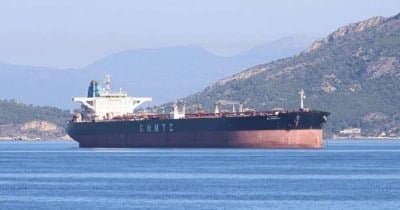
A missile strike on a tanker in the Strait of Hormuz has escalated tensions in the region, with serious implications for global shipping and energy markets. This incident, reported near the coast of Oman, marks a significant rise in Iranian military activity amid ongoing U.S.-Iran hostilities.
The attack coincides with a broader crisis in the Strait of Hormuz, where Iran has asserted that the vital waterway will be closed to international navigation unless U.S. actions cease. This declaration could severely restrict the flow of oil and liquefied natural gas (LNG) through one of the world’s busiest maritime routes.
Implications for Global Markets
The strike has already led to a notable increase in market volatility, with traders reacting to the heightened risk of Iranian aggression against commercial vessels. Observers are particularly concerned about the future of shipping routes endorsed by the U.S., as the likelihood of further attacks appears to be increasing.
Market analysts are now closely monitoring potential responses from the U.S. Department of Defense, which could significantly influence pricing across energy markets. Confirmation of Iranian involvement in this strike or similar incidents could solidify current market conditions, while efforts towards de-escalation might shift the space entirely. For instance, Hapag-Lloyd's recent challenge to U.S. proposals related to the Strait of Hormuz highlights the complexities surrounding maritime operations.
What Comes Next?
As the situation unfolds, traders and industry stakeholders must remain vigilant. The potential for further disruptions in shipping and energy markets cannot be underestimated. Increased military action from Iran could lead to lasting impacts on global supply chains, prompting businesses to reevaluate their logistics and risk management strategies.
This material is informational and not financial advice.