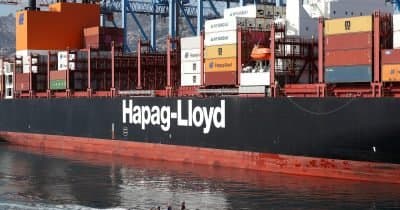
The proposed U.S. fees for ships transiting the Strait of Hormuz have met with strong opposition from Hapag-Lloyd, a major shipping company. The backlash comes in the wake of President Trump’s announcement regarding a naval blockade on Iran, prompting the shipping giant to contest the legality of charging for passage through international waters.
This situation is unfolding against a backdrop of heightened tensions in the region, which is a vital artery for global trade. Hapag-Lloyd argues that imposing fees would set a dangerous precedent, as it could disrupt established maritime practices and elevate costs for shipping companies and, ultimately, consumers.
Commercial Impact and Market Sentiment
The shipping industry is increasingly demonstrating reluctance regarding the U.S. fee initiative, as indicated by market pricing trends showing a decreased probability of implementation. Investors appear to be reassessing their confidence in the proposal after Hapag-Lloyd's firm stance, which signals broader commercial resistance.
The ongoing U.S.-Iran tensions will likely continue influencing market dynamics. Companies closely monitor developments, especially announcements from U.S. officials, such as Secretary of State Marco Rubio, that might clarify the administration's position. A shift in favor of fee collection from the U.S. Treasury could create additional volatility in the market.
Future Considerations
Attention now turns to August 31, a date projected to bring further clarity on this issue. As stakeholders evaluate the potential for policy changes, shipping firms like Hapag-Lloyd are expected to maintain their opposition. Any further resistance from international bodies might strengthen the current trend against the implementation of the fees.
This content is informational and not a financial recommendation.