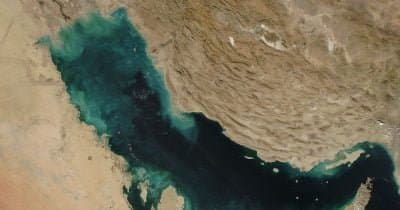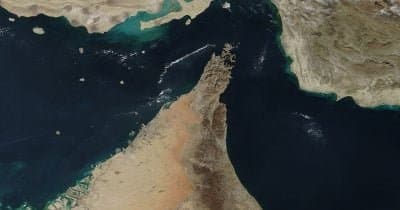
Recent developments in the Middle East are sending oil prices soaring, with current rates for Brent crude nearing $85.84 per barrel. This spike is largely attributed to escalating tensions between the United States and Iran, which have created significant concerns about the security of a key oil transit route: the Strait of Hormuz. As a crucial chokepoint for global oil shipments, any disruption here could have far-reaching implications for the energy market.
Market Reaction to Geopolitical Strains
Reports indicate that fears surrounding a potential confrontation in the region are influencing investor sentiment. The Wall Street Journal highlights how these geopolitical uncertainties have raised alarm over possible interruptions in oil supplies. Despite Iranian threats to close the strait, current tanker traffic suggests that oil continues to flow, albeit under precarious circumstances. The market's reaction indicates a thin line between supply stability and volatile fluctuations.
Implications for US Military Presence
The potential for increased U.S. military involvement in the region could further complicate matters. As oil prices remain sensitive to geopolitical changes, analysts suggest that any escalation could lead to sustained or even increased pricing in the crude market. Stakeholders are advised to monitor not only U.S.-Iran relations but also the roles played by major oil-producing nations and organizations like OPEC that might influence market dynamics. Observers are keenly interested in how these geopolitical events may transform current pricing trends, especially amidst a backdrop of fluctuating oil production levels.
This article is for informational purposes only and does not constitute financial advice.