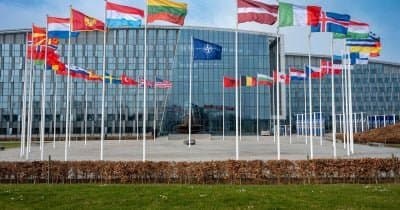
NATO has pledged a staggering €70 billion each year to bolster Ukraine's defense against Russia, as revealed during the recent summit in Ankara in July 2026. This move demonstrates NATO's commitment to a long-term military strategy aimed at sustaining Ukraine's resistance since the onset of the conflict in February 2022.
The aid package includes contributions from European allies, supplemented by a €30 billion loan from the EU. Notably absent from this critical funding initiative is the United States, marking a significant shift in how financial responsibilities are shared among NATO members. This development suggests a pivot toward a more European-led support approach as the alliance continues to focus on military confrontation rather than pursuing immediate diplomatic resolutions.
Implications of NATO's Commitment
The announcement of this financial support aligns with ongoing market analyses indicating a reduced likelihood of Russian forces advancing into Sloviansk by the end of 2026. The increased military aid could significantly enhance Ukraine's defense capabilities, potentially altering the dynamics on the ground. Observers are keenly watching for any shifts in the military strategies of leaders like Vladimir Putin and Volodymyr Zelenskyy, as the situation remains fluid.
Furthermore, the lack of US involvement raises questions about the future of NATO's collective security framework and may influence how European and Canadian allies assert their roles in the ongoing conflict. Sanction developments against Russia and any changes in NATO’s military support levels will also be critical to monitor, as they could reshape the trajectory of the war.
This article is for informational purposes only and does not constitute financial advice.