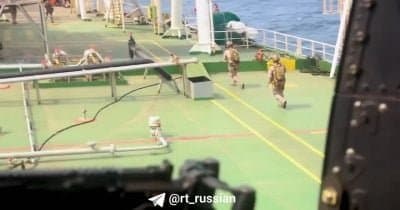
On July 16, the US military made a significant move by boarding the Iranian oil tanker Wen Yao in the Gulf of Oman, a show of force underlining the tightening naval blockade on Iran. This operation marks a notable escalation in the ongoing tensions surrounding Iranian oil exports, potentially influencing energy prices and by extension, markets tied to cryptocurrency volatility.
The Wen Yao is a Very Large Crude Carrier with an impressive deadweight tonnage of approximately 299,000 tons, capable of transporting over two million barrels of crude oil. Stationed on the US Treasury Department’s sanctions list since October 2024, it was specifically targeted due to its connections to the National Iranian Oil Company.
Details of the Boarding
The boarding operation was carried out by the 11th Marine Expeditionary Unit, as reported by US Central Command. In addition to inspecting the Wen Yao, US forces redirected three commercial vessels attempting to breach the blockade and disabled one due to its non-compliance with the regulations.
The Gulf of Oman is strategically significant, as it lies at the entrance of the Strait of Hormuz, a critical maritime route through which approximately 20% of the world's oil supply is transported daily.
Long Road to Enforcement
The operation against the Wen Yao is a prime example of the sanctions enforcement pipeline, where initial financial designations lead to kinetic enforcement when compliance is not achieved. The vessel had been under scrutiny for over a year before US Marines boarded it, demonstrating the lengthy process involved in sanctioning and enforcing international maritime laws.
As of now, CENTCOM's operational reports indicate that there is no connection between this maritime action and any cryptocurrency or digital asset movements. This incident underlines the traditional methods of maritime enforcement in an increasingly complex geopolitical environment.
This material is for informational purposes only and does not constitute financial advice.