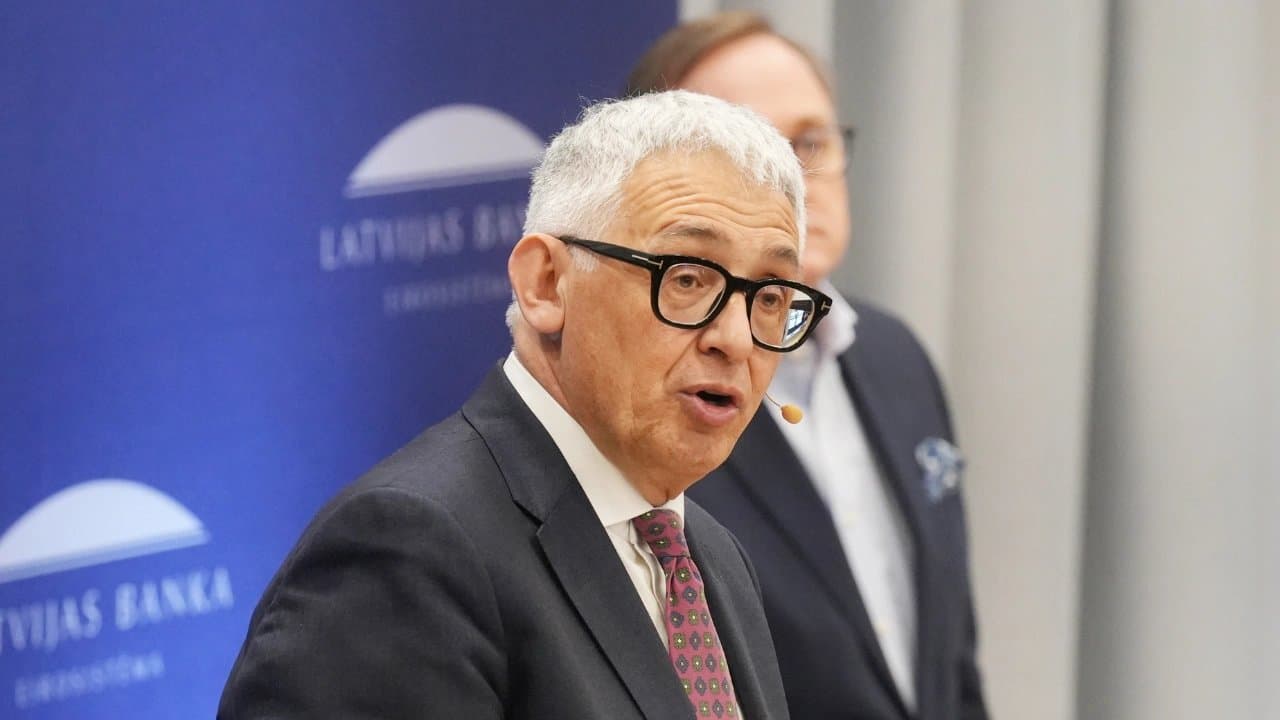
Piero Cipollone, a board member of the European Central Bank (ECB), voiced strong concerns about the growth of stablecoins during a recent meeting with cooperative bankers in Italy. He emphasized that allowing euro stablecoins to operate freely could significantly reduce retail deposits in commercial banks, which are critical to their operations.
Stablecoins and Bank Deposits
Cipollone's comments reflect a long-standing skepticism within the ECB regarding stablecoins. He pointed out that the rise of digital payment methods has already led to a decline in banks' payment fees and access to customer transaction data. Introducing stablecoins could exacerbate these challenges, making it even harder for traditional banks to maintain their deposit bases.
Highlighting the importance of maintaining a strong banking sector, Cipollone proposed the upcoming digital euro as a solution. He stated, "The digital euro would both preserve the role of public money and ensure banks remain involved in the payments ecosystem while continuing to meet their customers’ needs." This proposal aims to protect banks from losing out to non-European payment providers that could dominate the market.
Continued ECB Opposition
The ECB's position against euro stablecoins has been consistent over time. This sentiment echoes earlier statements from board member Isabel Schnabel, who warned that stablecoins pose risks to financial stability and monetary sovereignty. Schnabel compared the potential effects of stablecoins to the decline in bank deposits seen in the 1970s due to the rise of money market funds.
As the ECB prepares to pilot its digital euro with 36 firms starting in the latter half of 2027, it remains clear that the central bank sees a digital currency as essential to safeguarding the traditional banking landscape in Europe.
This material is informational and not a financial recommendation.