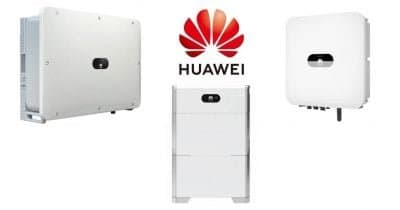
Huawei is making significant strides in the global energy transition, with its Digital Power unit leading the charge. The company’s innovative digital energy solutions, such as photovoltaic inverters and battery energy storage systems, have played a crucial role in international projects like the Red Sea Project in Saudi Arabia. This initiative features the world's largest renewable PV-plus-ESS microgrid, highlighting Huawei's substantial impact in this sector.
Aligning with its commitment to achieving net-zero emissions throughout its value chain by 2040, Huawei’s contributions have also been interpreted by market players as a favorable sign for China’s economic growth. As analysts observe the potential impact on China's GDP, there remains some uncertainty. Current market predictions indicate a softened outlook, with a slight decrease in the likelihood of China’s GDP growth dipping below 1% in 2026.
Key Insights
- Huawei's advancements in energy technology correlate with optimistic narratives surrounding China's economic growth.
- Market sentiment reflects a reduced risk of China’s GDP growth falling below 1% in 2026, buoyed in part by Huawei's initiatives.
- The company’s sustainability goals are expected to fortify China’s long-term economic strategy.
As Huawei continues to implement its energy projects, further updates could provide valuable insights into its impact on both the energy landscape and China's economic direction. Those involved in the market should keep an eye on official GDP figures and any significant policy changes that could further validate current sentiments.
This material is for informational purposes only and is not financial advice.