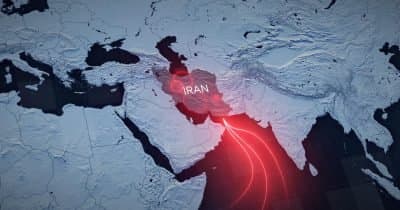
The price of West Texas Intermediate (WTI) crude oil has seen a significant jump, reaching $75.87, which represents an increase of nearly 6% from the previous close of $71.44. This surge is primarily attributed to rising geopolitical tensions in the Middle East, particularly following former President Trump's threats to reinstate a blockade on Iranian ships.
As military exchanges between the U.S. and Iran escalate, along with missile threats from the Houthi group targeting Saudi Arabian territory, the market has become increasingly reactive. Concerns surrounding potential disruptions of energy shipments through the strategically vital Strait of Hormuz are driving oil prices higher. With approximately 20% of the world's oil supply passing through this narrow waterway, any indication of conflict can severely impact global energy prices.
Market Reactions and Price Predictions
The recent price movement suggests that traders are factoring in the risk of supply interruptions due to the ongoing military tensions. Current trading patterns indicate a heightened probability of WTI crude surpassing higher price thresholds as the situation unfolds.
Market participants are closely monitoring developments in U.S.-Iran relations, with any additional military maneuvers likely to sway oil prices further. For example, reports of missile launches or military engagement in the region would signal instability and could spur even more price hikes.
What Lies Ahead for Oil Prices?
The implications of these geopolitical tensions extend beyond immediate pricing. As the situation evolves, reactions from key industry players, including OPEC+ and the International Energy Agency, will also play a crucial role in shaping supply expectations.
In addition, announcements from the U.S. or Iran will be pivotal in influencing market sentiment. Traders should stay updated on any news related to the blockade or concerning conflicts, as such developments could dictate the trajectory of WTI prices in the coming weeks. For instance, the recent interceptions of Houthi missiles by the Saudi coalition illustrate the ongoing volatility in the region that is affecting energy markets.
This information is for informational purposes only and should not be considered a financial recommendation.