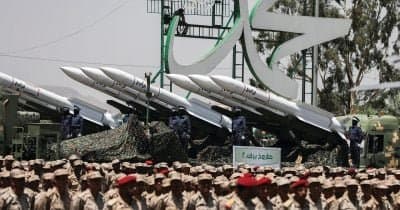
The Saudi-led coalition in Yemen has successfully intercepted ballistic missiles fired by Houthi rebels, targeting major cities in the southern region of Saudi Arabia, including Najran and Jizan. This incident highlights the persistent security threats posed by the Iranian-backed Houthi forces as they continue to launch cross-border attacks amid the ongoing conflict.
The recent missile launches underscore the escalating instability in the region and coincide with heightened geopolitical tensions. The Houthis have made declarations that could disrupt shipping routes in the Red Sea, raising concerns about global trade.
As market analysts keep a close eye on these developments, the interception of these missiles could influence economic forecasts. There is growing speculation that the rising geopolitical risks might affect the U.S. Federal Reserve's decisions on monetary policy, particularly in light of the upcoming meetings scheduled for June and July 2026. The market response will likely reflect concerns regarding potential shifts in inflation targets and interest rates.
Observers will be watching statements from key figures at the Federal Reserve, such as Jerome Powell and Christopher Waller, to gauge how these international tensions may impact the U.S. economy. Additionally, the evolving dynamics of the Yemen conflict are crucial in assessing the overall market sentiment regarding U.S. fiscal policies.
This material is informational and not a financial recommendation.