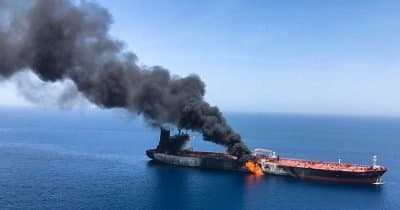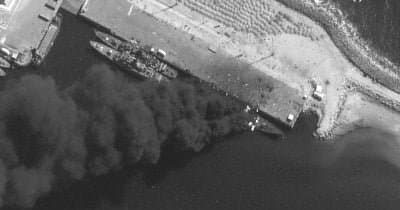
The recent U.S. airstrikes in Konarak, Iran, have sparked loud explosions, marking a significant escalation in military tensions. This incident takes place amid a backdrop of conflict between the United States, Israel, and Iran, which has intensified throughout the year.
Konarak, strategically located near the Gulf of Oman, serves as a critical hub for naval and air operations. The airstrikes are part of ongoing efforts to disrupt Iran's coastal defenses and come as part of a series of retaliatory military actions that threaten to unravel existing ceasefire agreements.
Implications for Regional Stability
As tensions rise, market analysts have noted an increasing likelihood of Iran imposing a full closure of its airspace, with estimates now suggesting a nearly 45.5% chance of this happening by August 31. This development could have far-reaching effects not only on military maneuvers but also on civilian air travel in the region.
Observers are closely monitoring the Civil Aviation Organization of Iran for any formal announcements regarding airspace restrictions, as such news could further adjust market expectations. Additionally, ongoing military activities or diplomatic shifts involving the U.S., Iran, or allied countries could also steer the dynamics of this precarious situation.
Next Steps in a Complex Landscape
With each new military engagement, the possibility of a broader conflict increases, raising alarms among regional stakeholders. As seen in recent incidents involving Iranian forces, the potential for escalation remains high.
This article is for informational purposes only and should not be considered financial advice.