On July 13, 2026, gold prices dropped by 1.48%, settling near $4,060 per ounce. This decline reflects broader market adjustments in response to increasing yields and shifting expectations regarding monetary policy. Heightened anxiety over the Federal Reserve's future actions has forced investors to reconsider their positions in gold, a traditional safe haven asset, making it less appealing compared to yield-bearing options as the 30-year Treasury yield climbed to 4.902%.
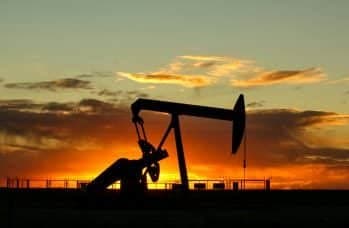
In contrast, oil prices have seen a significant upswing, primarily driven by escalating tensions in the Middle East. As geopolitical uncertainties mount, Brent crude rose by 4% to reach $79.26, while West Texas Intermediate (WTI) climbed to $74.53. This divergence in commodity performance signals a reallocation of investor capital, where energy-related inflation fears are growing, leading to speculations about potential interest rate hikes from the Federal Reserve.
Market analysts are particularly focused on developments in the Middle East, especially the US-Iran tensions, which could critically influence oil supply routes like the Strait of Hormuz. Any remarks from the Federal Reserve regarding interest rates may further sway both gold and oil prices. With OPEC likely to respond to these geopolitical events, their actions could significantly shape crude oil supply expectations moving forward. Given the current landscape, the prospect of crude oil reaching new all-time highs by the year's end remains a hot topic among investors.
This material is informational and does not constitute financial advice.