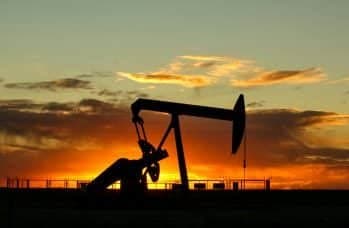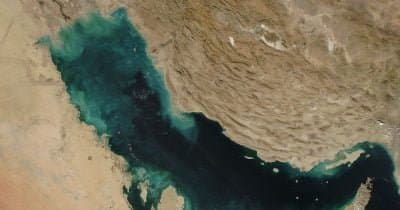
Federal Reserve Governor Michael Jefferson has assured that the conflict currently unfolding in the Middle East is unlikely to significantly sway oil demand in the United States. He emphasized that the U.S. has evolved into a net oil exporter and has less reliance on oil since the energy crises of the 1970s, reducing its vulnerability to global supply interruptions.
The ongoing tensions in the region have been correlated with a rise in global oil prices. Nevertheless, the U.S.'s solid standing as the top oil exporter is expected to buffer against severe domestic economic fallout. This perspective contributes to market expectations regarding the future trajectory of crude oil prices.
Market Insights
Recent insights from market analysts indicate that the likelihood of crude oil prices reaching record highs by the end of the year remains minimal. Current data shows that the chances of prices hitting new peaks by late September are at 5.1%, while the odds for December stand at 12.5%. Jefferson's insights align with a growing sentiment that the market remains less susceptible to shocks stemming from geopolitical conflicts in oil-rich regions.
Monitoring Future Developments
Investors and market participants are advised to stay vigilant as developments in the Middle East could still affect oil supply and demand balances. Attention will be directed towards fluctuations in U.S. oil import and export figures, changes in geopolitical dynamics, and announcements from significant oil-exporting nations that could impact both domestic and global oil price outlooks. In essence, the market appears stable, taking into account America's reduced dependency on foreign oil.
This material is for informational purposes only and should not be considered financial advice.