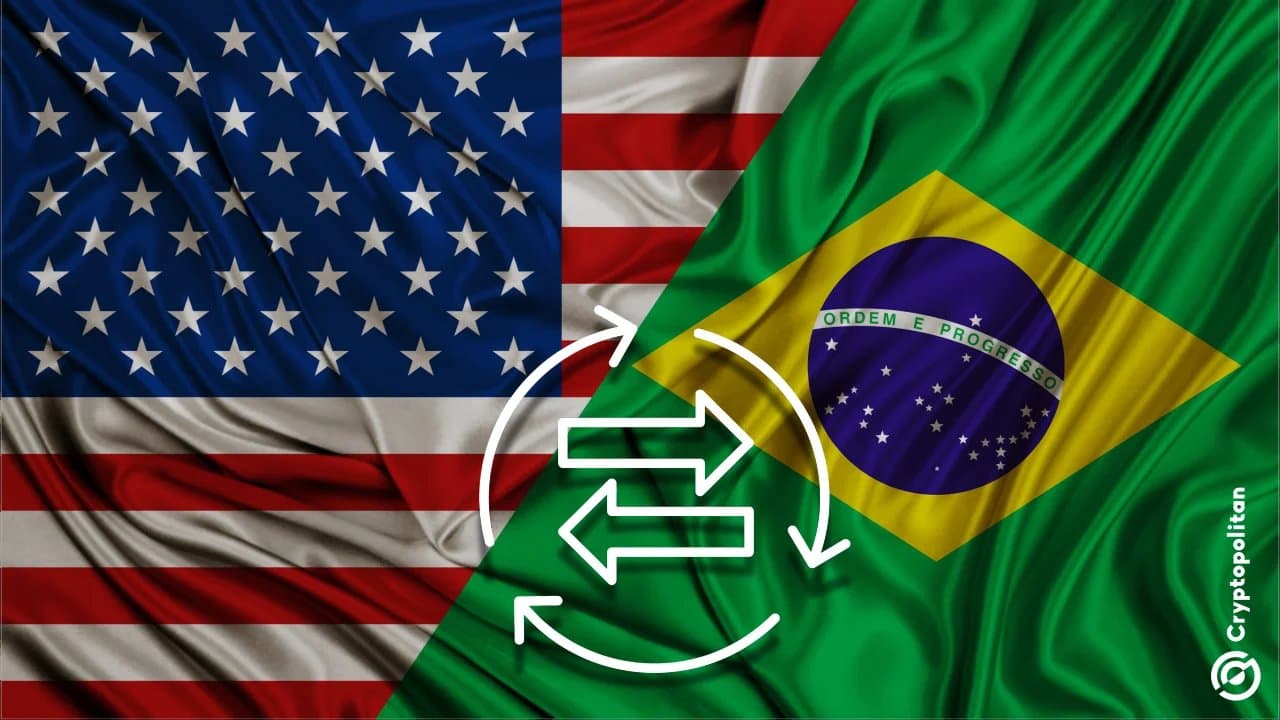
The United States is set to implement a 25% tariff on a wide range of imports from Brazil starting July 22, affecting products like sugar, apparel, paper, and steel. This decision comes in the wake of a lengthy investigation into what the U.S. deems unfair trade practices, particularly targeting Brazil’s Pix instant-payment system, which has raised concerns for U.S. credit card companies.
U.S. Trade Representative Jamieson Greer announced the tariffs after finalizing a year-long inquiry under Section 301 of the Trade Act of 1974. Among the products exempt from the new duties are beef and coffee, both of which have seen significant price increases; beef is up 11.8% and coffee has risen 12% in the past year, according to the Consumer Price Index from the Department of Labor.
Brazil has vowed to retaliate against the tariffs, leaning on its Reciprocity Law and the World Trade Organization (WTO). This trade skirmish comes as Brazil prepares for its October elections and as former President Jair Bolsonaro faces legal challenges.
Washington's decision highlights various allegations against Brazil, including “illegal deforestation” and preferential tariffs. Such issues have long sparked debates about the future of bilateral trade relations. As the tariffs loom, both countries are gearing up for a potentially contentious response.