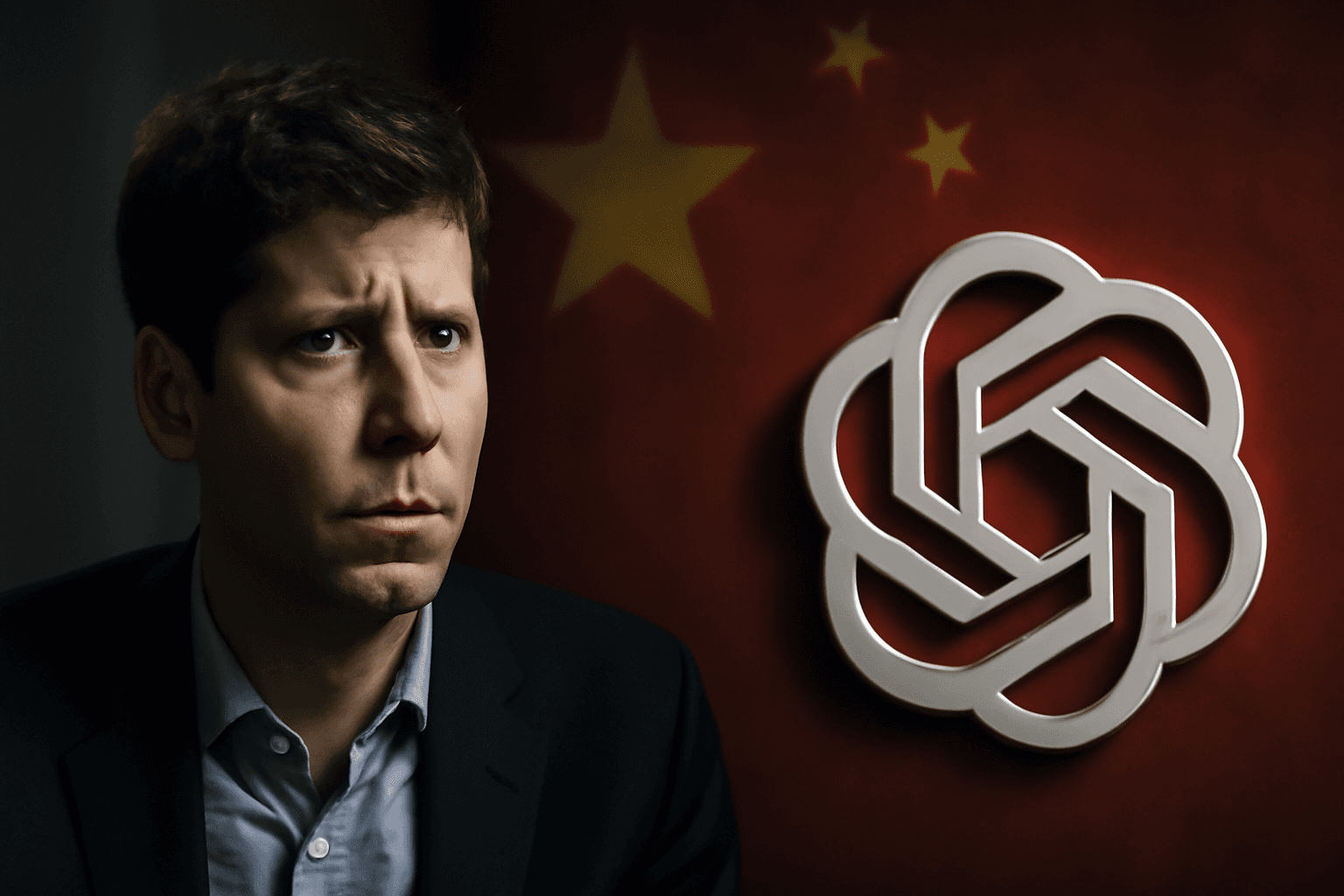
In the fast-evolving landscape of artificial intelligence, China is making significant strides. Recent reports show that Chinese AI models have surged to control approximately 40% of the most widely used systems globally, a remarkable rise from just a handful at the start of 2025. The increasing preference for Chinese systems is not just a trend but a reflection of developers increasingly seeking robust solutions, even as adoption rates in the US continue to grow.
Data from Apollo Global Management reveals a stark picture. By mid-2026, the number of Chinese models in the top 50 jumped to around 20, significantly up from five at the beginning of the year. In contrast, the presence of US models in this elite group has dropped, with only 28 now compared to 33 previously.
However, the most striking statistics lie in token processing. In June alone, Chinese AI models processed a staggering 98 trillion tokens, compared to the 53 trillion handled by US counterparts. This represents an impressive 113% increase in Chinese token use from the previous month, while growth in the US was limited to 43%. As a result, China now has a commanding lead of 85%, widening from just 24% in May, according to the Kobeissi Letter.
But this surge comes amid escalating tensions between the US and China. Numerous incidents illustrate the tightening grip of regulations and protocols. For instance, Alibaba recently prohibited its employees from using services from Anthropic, stating concerns over security vulnerabilities. This move reflects a broader unease as competition intensifies between these tech giants, with allegations of attacks and demands for stricter export controls mixing with the race for AI superiority.
On the regulatory front, Beijing has intensified its scrutiny, leading to the removal of over 14,000 non-compliant AI products from the market, underscoring China's commitment to tightening the belt on AI development to ensure compliance.
As both nations grapple with their growing technological rivalry, the ramifications for the global AI landscape could be profound. Companies on both sides must navigate not only their innovation strategies but also the geopolitical implications of their technological choices. This landscape will likely continue to shift as both sides vie for dominance in the AI race.
This material is for informational purposes only and does not constitute financial advice.