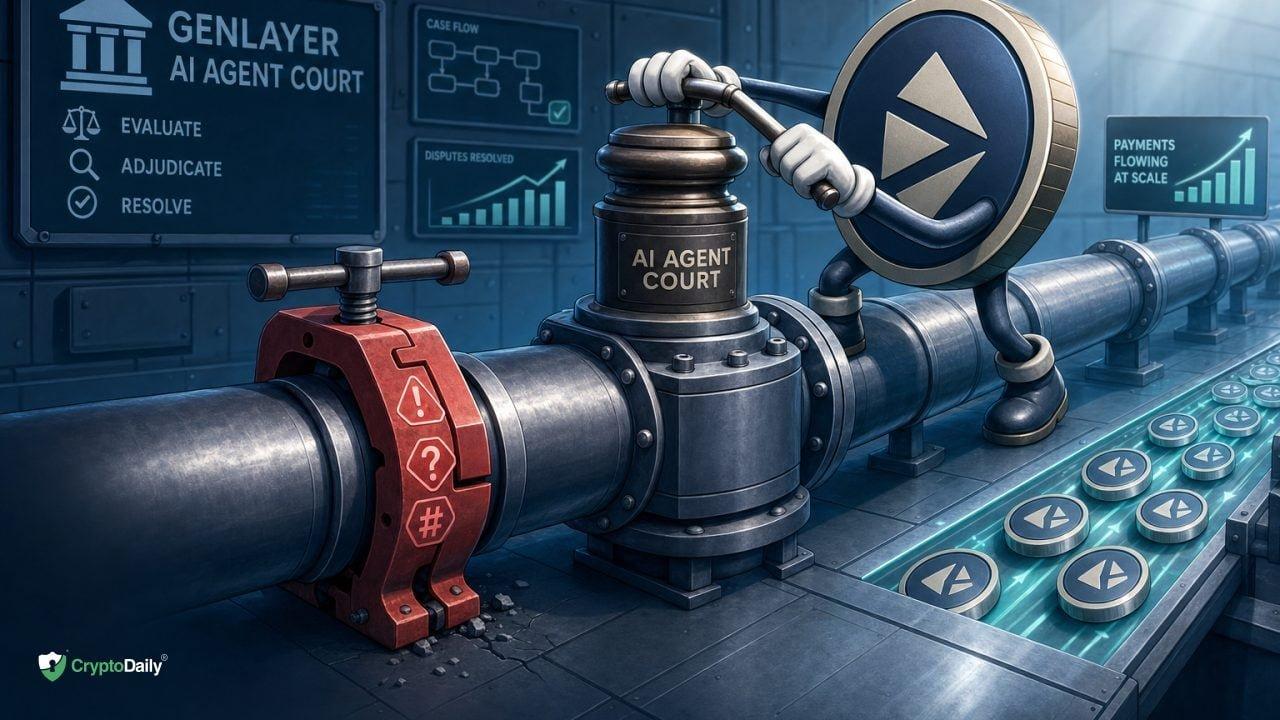
In the world of cryptocurrency, transactions are swift and final. However, this rigidity can become a significant drawback when mistakes occur. A wrong address entry or delivering a faulty product presents insurmountable challenges. Unlike traditional payment methods where chargebacks offer a safety net, crypto payments leave no room for error, which is concerning as transaction volumes grow.
GenLayer is presenting a forward-thinking solution: an AI Agent Court aimed at creating a resolution mechanism for disputes on the blockchain. This initiative seeks to address the pressing need for a dispute resolution layer as decentralized finance (DeFi) continues to expand. With the recent launch of Internet Court and its integration into nascent marketplaces, there seems to be a promising avenue for conflict resolution that won't disrupt the economic structure.
The Importance of Recourse in DeFi Transactions
The nature of cryptocurrency transactions is irreversible, which poses considerable risks when it comes to resolving disputes arising from errors, fraud, or subpar services, especially in low-value transactions. For example, an efficiently handled chargeback in the traditional system serves as a tax, ensuring the smooth operation of consumer-to-merchant dynamics. In contrast, the finality in crypto can lead to dead ends, rendering small-value transactions unattractive and hampering widespread adoption.
When agents start working with one another or involve human tasks, the potential for mistakes increases. Issues like miscommunication or delays can lead to significant losses for both parties involved. This concern is particularly salient in low-margin environments where a ten-dollar mistake feels prohibitive, leading many organizations to shy away from offering refunds entirely, stifling the usability of crypto.
GenLayer’s Role in Transforming Conflict Resolution
What GenLayer offers is a specialized framework designed for specific disputes. Instead of attempting to be a comprehensive solution for all on-chain issues, it functions as a coordinating network seamlessly integrating with wallets and marketplaces. By narrowing down cases and offering structured evidence submission, GenLayer ensures that outcomes remain enforceable. The economic impact is significant, with reported daily decisions demonstrating a vibrant micro-adjudication landscape.
For DeFi to achieve its full potential, the establishment of efficient dispute resolution mechanisms is crucial. As metrics suggest, platforms like OKX are beginning to recognize this necessity by partnering with GenLayer, indicating a growing demand for integrated adjudication services. This proactive approach fosters trust within the space, ensuring that as transactions scale, support systems are in place to handle disputes effectively.
This material is informational and should not be considered financial advice.