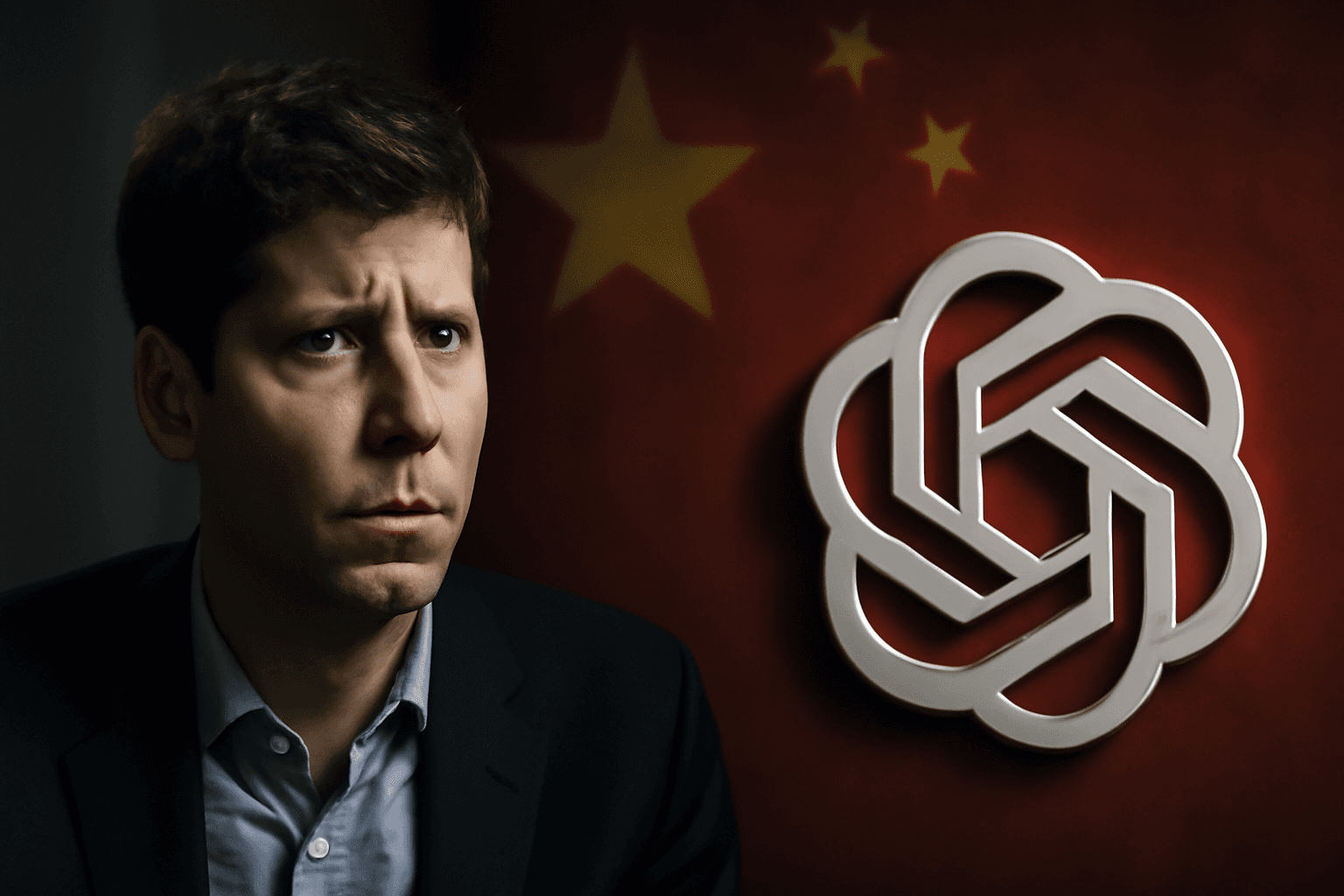
OpenAI has reportedly provided access to its artificial intelligence technology to several Chinese companies listed on the Pentagon's military-related blacklist, igniting renewed scrutiny of U.S. policies on AI exports. According to sources, both OpenAI and Google have allowed these firms, identified on the U.S. Department of Defense's Section 1260H list, to utilize their advanced AI models. This list highlights entities connected to China’s military-industrial network.
While being on this list does not outright ban business engagements or automatically lead to sanctions, it does signal to U.S. companies the potential risks of collaborating with these entities. This recent access has sparked significant concern, especially since OpenAI and Google have been vocal advocates for U.S. superiority in the AI domain. OpenAI has continuously emphasized its mission to bolster American AI capabilities, while Google has increased its collaborations with U.S. defense and intelligence organizations.
The implications of this access are profound, raising critical questions about the global dissemination of cutting-edge AI technologies. Traditional defense innovations are typically confined by physical supply chains, but AI systems can be distributed via cloud-based platforms, making them much harder to regulate once they are available commercially.
These concerns follow closely on the heels of OpenAI rolling out its latest models from the GPT-5.6 family across platforms like ChatGPT and Codex. As reported earlier, the company has restructured its product lines, categorizing models based on intelligence, performance, and pricing. The new release includes GPT-5.6 Sol, Terra, and Luna, and it aims to widen accessibility across consumer, enterprise, and developer markets worldwide within a single day.
As Washington continues tightening its grip on advanced AI technologies flowing into China, regulatory pressures could intensify. The U.S. Commerce Department has ramped up export controls on capabilities essential for chip manufacturing, signaling ongoing concerns about national security and technological supremacy.
This material is informational and not financial advice.