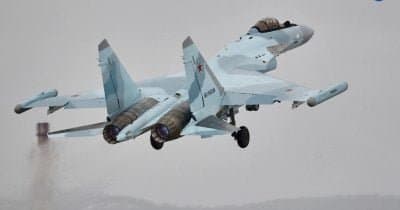
The United States has taken decisive action by sanctioning seven individuals and organizations tied to Iran’s Islamic Revolutionary Guard Corps (IRGC) weapons network. This move specifically aims at disrupting procurement channels that have been vital for acquiring military supplies, including MANPADS and missile components sourced from countries like China, Belarus, and Hong Kong.
These sanctions come at a time of escalating tensions, particularly following the breakdown of a ceasefire and the resurgence of hostilities between the U.S. and Iran. The sanctions are not just punitive; they reflect a broader strategy designed to weaken Iran’s military strength and hinder its regional aggressions while diplomatic negotiations are still in a fragile state.
Market analysts are already responding to this news, as the likelihood of a nuclear agreement between the U.S. and Iran appears to be diminishing. Observers speculate that these recent measures align with a consistent approach aimed at limiting Iran's operational capabilities in light of the ongoing conflict. Such developments also suggest that the diplomatic landscape is becoming increasingly complex.
As the sanctions are implemented, what happens next will be crucial. Stakeholders will be closely watching Iran's reactions and any adjustments in U.S. policies that might emerge as a result. Public statements from both sides will be key indicators, particularly regarding the possibility of resuming talks or imposing further sanctions. Any significant shifts in the diplomatic environment or military actions will likely influence market sentiments significantly.
This article is for informational purposes only and does not constitute financial advice.