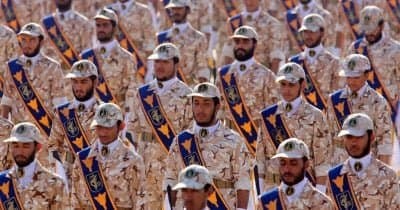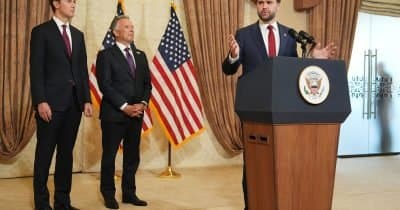
In a notable development, Iran has declared that it will not pursue further talks with the United States, prioritizing instead its defense capabilities. This announcement comes in the context of a temporary 60-day ceasefire formalized by the Islamabad Memorandum, which was intended to ease tensions between the two nations.
Despite recent indirect negotiations failing to produce any significant breakthroughs, Iran's latest position marks a shift toward a more assertive defense strategy. Critical topics, such as maritime traffic in the Strait of Hormuz and financial incentives, have taken precedence over pressing nuclear issues.
Market Reactions to Iran's Stance
This change in focus has implications for market expectations regarding US-Iran relations. The likelihood of a diplomatic meeting between the two countries by the end of July has decreased significantly, dropping from 51% to just 20% according to current market pricing. This reflects a growing skepticism about the potential for peace talks in the short term.
As Iran emphasizes its defense over diplomacy, observers are urged to keep an eye on any announcements from either the White House or Iranian officials that might indicate a realignment toward renewed negotiations. Such developments could potentially reshape market perceptions regarding future diplomatic engagements.
Furthermore, the dynamics surrounding the ongoing ceasefire and Iran's military posture are crucial. Events such as any Israeli military actions or shifts in US policy could further influence the trajectory of US-Iran relations.
This material is for informational purposes only and should not be considered financial advice.