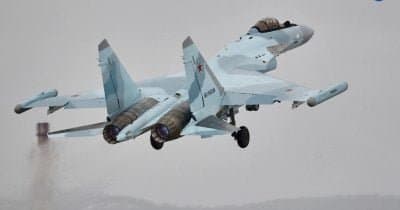
"This escalation of military action isn’t just about bombs and missiles; it’s symptomatic of a broader crisis in both strategy and alliances," said a military analyst, underscoring the heightened tension between Russia and Ukraine. Russia's air campaign reveals a marked increase in the use of hypersonic missiles and drones, leading to significant civilian casualties and illustrating a dramatic shift in the conflict's landscape.
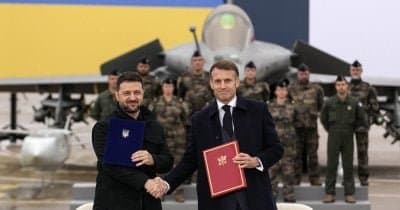
Simultaneously, Ukraine finds itself in a turbulent political climate. Prime Minister Yulia Svyrydenko's resignation highlights the internal strife as President Zelenskyy grapples with the war's growing toll on public morale and the challenges of maintaining solid diplomatic ties. As the air raids continue, international support for Ukraine appears wobbly, with NATO allies showing signs of disunity, particularly regarding financial commitments. This lack of coordinated support complicates Ukraine’s strategic response to ongoing threats.
The implications of the intensified military activity are concerning, as market analysts speculate on possible scenarios, notably the potential Russian advances towards Sloviansk by the end of this year. Such developments could reshape expectations and strategies for all stakeholders involved. Diplomatic shifts are equally crucial, as NATO’s wavering support may necessitate recalibrated approaches from Zelenskyy's government to maintain both military and economic resilience.
Future actions from Russia's military, particularly troop movements and new offensive strategies, could directly influence market perceptions and regional security dynamics. Analysts assert that observing NATO's changing support landscape will also be vital as geopolitical repercussions unfold. As this conflict evolves, the necessity for careful monitoring of each side's strategic shifts remains a priority for those affected.
This material is for informational purposes only and does not constitute financial advice.