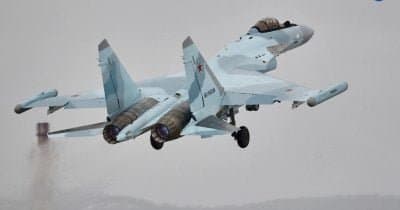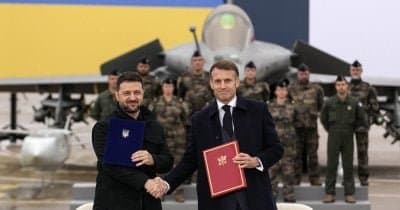
France has taken a significant step in supporting Ukraine by committing to deliver advanced Rafale fighter jets alongside an array of powerful weaponry. At the recent 'Coalition of the Willing' summit held in Paris on July 13-14, President Emmanuel Macron announced a bilateral arms deal that includes 16 Rafale combat aircraft, with an intention to increase the number to 100 in the future.
The deal extends beyond aircraft, encompassing next-generation SAMP/T NG air-defense systems, SCALP cruise missiles, AASM Hammer glide bombs, and Aster 30 interceptors. Notably, Ukraine will also receive licenses for domestic production of key components such as SCALP missiles and AASM bombs.
Funding Sources for the Defense Package
This substantial arms package relies on three key funding sources. It draws from existing French military resources, European Union support mechanisms, and intriguingly, revenue generated from seized Russian sovereign assets. This innovative way of financing weapons raises important questions about the potential implications for global capital flows and cryptocurrency's position as a safe haven.
Despite the excitement surrounding the deal, it is anticipated that operational flights of the Rafale jets in Ukrainian airspace may not occur until 2028 or 2029, as pilot training is set to commence sooner but will still require extensive preparation.
Global Implications
As France contributes to Ukraine's military capabilities, the manner in which frozen assets are used to fund military supplies presents a new precedent. This move could influence how countries view the use of sovereign assets in conflict situations, potentially reshaping not just military alliances but also financial markets, including the ongoing discourse about crypto trading as a financial service. This dynamic emphasizes the evolving landscape of international relations and the intersection of finance and warfare.
This material is for informational purposes only and does not constitute financial advice.