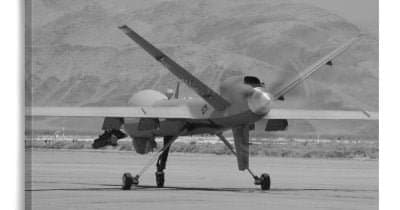
For the sixth straight night, US forces launched airstrikes targeting locations tied to Iran's Revolutionary Guard. These attacks aim to disrupt Tehran's ability to move and operate, especially around the critical Strait of Hormuz, a key chokepoint for global oil shipments. The strikes come after a ceasefire deal collapsed last month, signaling a sharp escalation in hostilities between Washington and Tehran.
The ongoing campaign reflects a strategic effort by the US military to limit Iran’s maritime reach and pressure its regional influence. With tensions flaring, the situation remains volatile, as both sides engage in a cycle of retaliation without signs of easing.
These military actions also affect international oversight of Iran’s nuclear program. Market data shows a declining chance that the International Atomic Energy Agency (IAEA) will be able to visit Iranian nuclear sites before the end of the year. Currently, the probability stands at about 26.5%, down from last week’s higher estimates. This drop indicates growing concerns about diplomatic and inspection efforts amidst the conflict.
Key figures to watch include IAEA Director General Rafael Mariano Grossi and Iranian officials like Mohammad Eslami, whose statements could influence the unfolding scenario. Additional US or allied strikes could further shift expectations around nuclear inspections and regional stability.
The evolving conflict highlights the fragile balance in the Middle East, where military actions directly impact diplomatic channels and international monitoring. As the US continues its air campaign, the risk environment intensifies, complicating efforts to prevent further escalation.