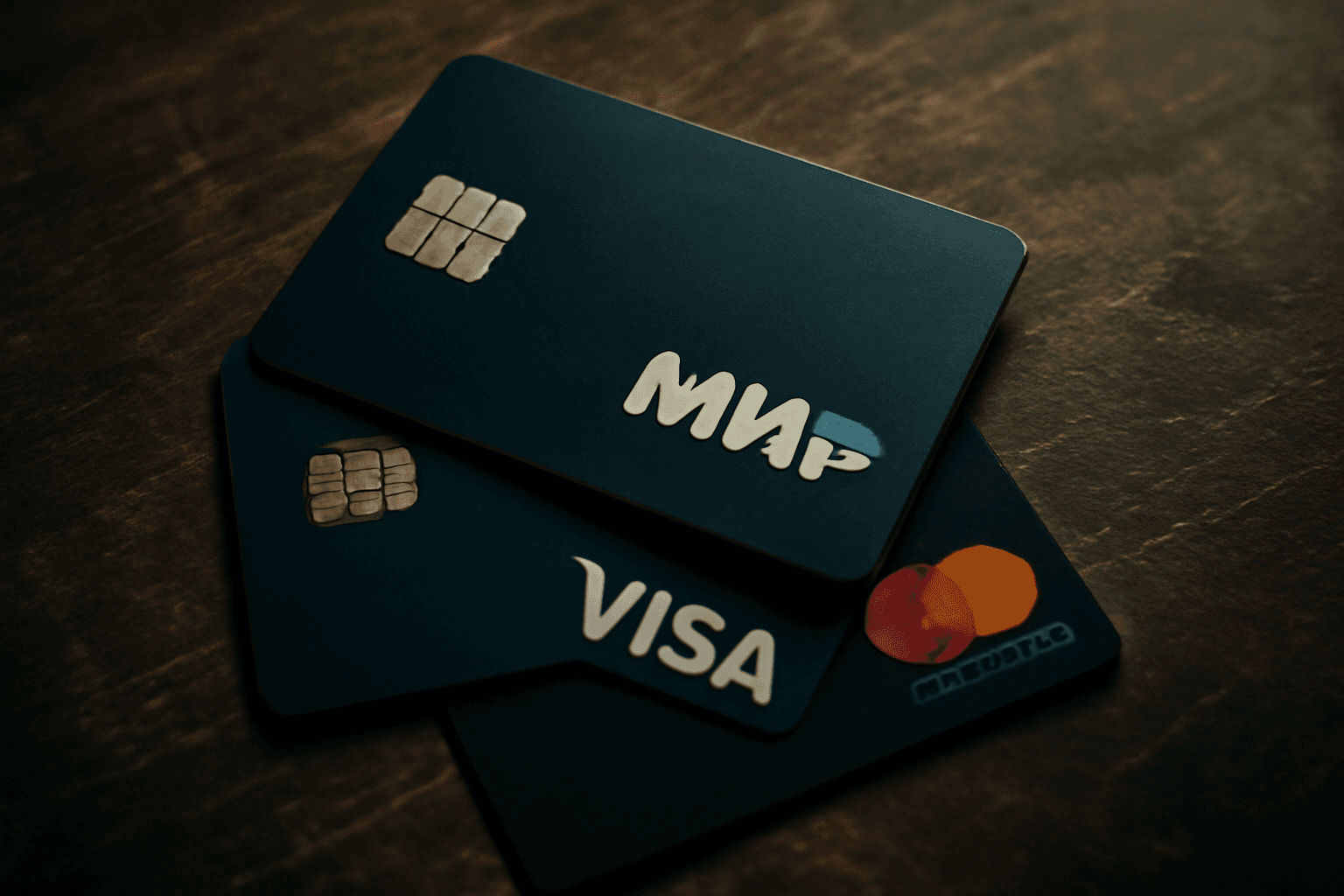
Imagine holding a credit card that no longer works for international purchases or rewards programs and is slowly becoming just a useless piece of plastic. That’s the reality for Visa and Mastercard cards in Russia today. Since these global giants left the Russian market back in March 2022, their cards have lost much of their purpose.
Dmitry Dubynin, CEO of the National Payment Card System (NSPK), paints a clear picture of this shift. He explains that while the Visa and Mastercard logos might still be visible on some cards, these cards don’t provide real value anymore. They can’t be used abroad, their loyalty programs are inaccessible, and their functionality depends entirely on Russian domestic systems. According to Dubynin, these cards are essentially placeholders, kept alive only because of local infrastructure support.
As time passes, the physical cards are wearing out, and the security certificates embedded within them are expiring. Without updates or reissuance, their usability will decline sharply. Meanwhile, NSPK is working to maintain the existing infrastructure to extend their operation as long as possible, but the future is clear these cards will become obsolete.
This transformation has allowed the Mir payment system, Russia’s homegrown alternative, to capture an overwhelming majority of the card market. Dubynin noted that Mir cards already account for about 85% of all payment cards in use, a number expected to rise steadily as international cards phase out naturally.
The transition hasn’t been without uncertainty, especially among consumers still holding Visa or Mastercard cards. Earlier, Alla Bakina from the Bank of Russia suggested that these foreign cards should be phased out completely since their usefulness is minimal. However, central bank governor Elvira Nabiullina later confirmed there will be no strict deadlines for removing these cards from circulation they will be phased out gradually over time.
Meanwhile, Russia prepares for broader financial tech developments, including the nationwide rollout of a digital ruble. This move highlights the country's intent to further secure its financial sovereignty amid ongoing international sanctions and market shifts.